
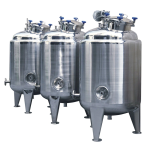

A mixing tank is used across many industries because production processes often require materials to be blended into a consistent form. The design of the equipment can influence how efficiently materials are processed and how well the final product meets application requirements. Different industries may require unique configurations depending on the materials involved.
The shape of a mixing tank can vary according to the process. Cylindrical tanks are frequently used because they support fluid movement and can be manufactured in different capacities. Some tanks include conical bottoms to improve drainage and reduce material residue. Vertical structures may save floor space, while horizontal arrangements may fit certain production lines more effectively.
Tank capacity is another consideration during equipment selection. Small laboratories may use compact mixing tanks for product development or testing. Manufacturing facilities may require larger units capable of processing thousands of liters of material. Production volume, operating cycles, and available installation space all affect the final decision.
The agitator system is a significant component of the equipment. Different blade designs create different flow patterns inside the mixing tank. Paddle agitators can move materials gently, while turbine designs create stronger circulation. Helical blades may help process thicker materials that require more controlled movement.
Viscosity also affects equipment selection. Materials with low viscosity generally flow easily and may require moderate mixing intensity. Thick materials can behave differently and may need stronger motors or specialized agitator structures. Understanding material characteristics helps improve process planning.
Temperature management is often integrated into a mixing tank system. Some products require heating to dissolve ingredients or maintain fluidity. Other materials may need cooling to avoid changes caused by elevated temperatures. Double-wall jackets or external heat exchange systems can help manage these conditions.
Safety is another consideration during operation. Certain materials may produce vapor or involve pressure changes during processing. Equipment can include pressure relief systems, sealed covers, and monitoring devices to improve operational control. Maintaining stable conditions helps support process consistency.
Cleaning requirements vary between industries. Food processing and pharmaceutical production may require more detailed sanitation procedures compared to other applications. Smooth surfaces and carefully designed internal structures can reduce areas where material residues collect.
The development of mixing technology continues to provide additional options for industrial users. Engineers often evaluate process goals, material behavior, and operating conditions before selecting a mixing tank design. Careful planning can help create a system that supports production requirements across different working environments.