
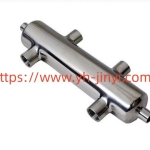

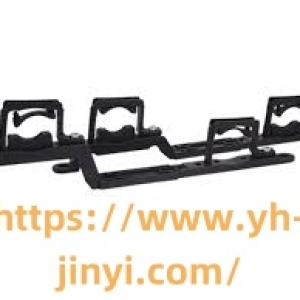
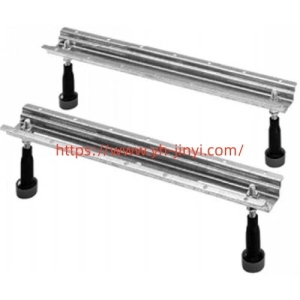
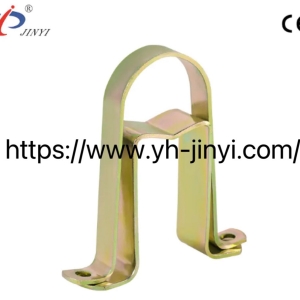

Hydraulic Separator Tank is designed to help heating and cooling systems maintain balanced circulation between different operating loops. As building services become more advanced, many residential, commercial, and industrial projects require equipment that supports stable flow distribution while allowing individual circuits to operate according to their own requirements. This type of solution has become a practical option for projects that value organized system design and flexible installation.
One important advantage is improved flow balance. Large heating installations often contain several circulation loops connected to different pumps. Without proper separation between these circuits, one pump may influence another, making water movement less stable. A properly designed separation unit helps each circulation loop work more independently, allowing connected equipment to perform according to project requirements.
Another benefit is greater flexibility during engineering design. Buildings such as offices, hotels, schools, hospitals, and apartment complexes usually require multiple heating zones. Every area may have different operating temperatures or circulation demands. A suitable separation device allows these independent zones to operate more efficiently without unnecessary interference between circuits.
Maintenance planning also becomes easier when circulation is organized effectively. During long-term operation, heating systems may collect small particles or air pockets. Equipment designed for circulation management helps reduce unwanted flow disturbances, allowing maintenance personnel to inspect and service connected equipment more conveniently during scheduled maintenance.
Material quality is another important consideration. Carbon steel is commonly selected because it provides structural strength suitable for different installation environments. Protective surface treatments such as powder coating or other finishing processes help improve resistance to moisture and daily operating conditions, supporting long-term use in mechanical rooms.
Space utilization has become increasingly important in modern construction projects. Mechanical rooms are often designed with limited available space, requiring compact equipment layouts. Products with practical dimensions help engineers arrange pipelines and connected equipment while keeping installation organized and accessible.
Installation convenience is another factor valued by contractors. Standardized pipe connections and carefully planned structural layouts help simplify assembly during construction. Proper positioning within the circulation network allows connected equipment to work together according to the overall system design.
Residential projects often focus on providing stable indoor comfort throughout different seasons. Commercial buildings may require larger circulation capacity serving multiple floors or functional areas. Industrial facilities can have even more complex operating requirements. Suitable circulation equipment provides flexibility for these different applications while supporting organized system operation.
Production consistency also plays an important role when selecting equipment. Accurate welding, dimensional inspection, pressure testing, and quality management contribute to consistent installation results. Buyers often evaluate manufacturing capability together with communication efficiency and delivery planning before placing orders.
As energy-conscious building design continues developing, engineers increasingly focus on equipment compatibility, installation efficiency, and maintenance accessibility. Well-planned circulation management supports stable operation across different heating and cooling applications while allowing future expansion if project requirements change.
Selecting appropriate equipment involves reviewing operating pressure, connection dimensions, available installation space, circulation capacity, and compatibility with other mechanical components. Considering these factors early in project planning helps designers choose products suitable for different building types and operating environments.
Whether applied in residential developments, commercial facilities, educational buildings, healthcare projects, or industrial installations, this circulation solution supports organized water distribution throughout complex systems. Product information and available models can be viewed at https://www.yh-jinyi.com/product/ for projects requiring dependable heating and cooling system components.