


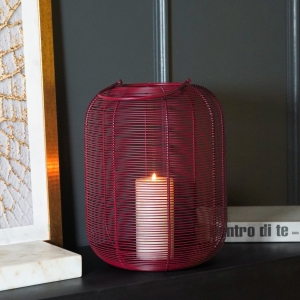
Most Diwali lighting follows the same pattern every year: string lights on the balcony railing, a row of diyas at the entrance, fairy lights around the window. These work — they always have. But they also look like every other home on the street, and they come down on November 2nd.
The more interesting approach to Diwali lighting is one that creates genuine atmosphere — layered, warm, considered — and that the home can actually keep using after the festival. Pieces that earn their place in January as much as in October.
Here are lighting ideas that go beyond the standard Diwali setup — and that genuinely transform how a home feels during the festival and well beyond it.
The Problem With Most Diwali Lighting
Standard Diwali lighting — LED string lights, blinking fairy lights, bright cool-white strip lights — is festive in quantity but often fails in quality. The issue is colour temperature. Most decorative string lights sold in India around Diwali are cool-white or multicoloured, which creates brightness without warmth.
Diwali is fundamentally about warm light — the glow of a diya, the flicker of a lamp. That quality of light comes from warm white (2700K–3000K) sources, not cool LEDs. When Diwali lighting looks spectacular in some homes and merely bright in others, the difference is almost always colour temperature.
The fix is straightforward: swap any cool-white string lights for warm white equivalents, use candles and diyas as primary accent sources rather than secondary additions, and layer lighting instead of simply adding more of the same type.
Hurricane Candle Holders — The Diwali Piece That Stays All Year
Of all the lighting pieces worth adding for Diwali, hurricane candle holders offer the most value — not just during the festival, but across every month of the year. They do what string lights cannot: create intimate, warm, living light that makes a dining table feel like an occasion and a living room feel genuinely welcoming.
In Indian homes specifically, hurricane candle holders solve a practical Diwali problem: ceiling fans. Open diyas and taper candles flicker constantly in fan-cooled rooms. A hurricane holder protects the flame, keeps it burning steadily, and focuses the warm glow outward. The result is light that behaves during a Diwali gathering the way you want it to.
For Diwali specifically, two or three hurricanes of varying heights on a dining table — combined with diyas at the edges — create a centrepiece that photographs beautifully and creates genuine warmth during the meal. After Diwali, those same hurricanes stay on the table and continue earning their place every evening.
Room by Room — Diwali Lighting That Actually Works
Different rooms need different approaches. Here is what consistently works in Indian homes during Diwali:
Entrance and foyer
The entrance sets the tone for every guest. A row of diyas along the threshold is traditional and right. Add a warm-white table lamp or lantern on a console near the entrance — something that stays lit and welcoming through the evening. Rangoli with tea light holders placed in the design creates an effect that string lights simply cannot replicate.
Living room
Switch off the overhead ceiling light. Use warm table lamps, floor lamps, and a few placed candle holders instead. The room will look more Diwali than it ever does with additional string lights — because the quality of the light is right, not just the quantity. Place diyas on windowsills where they can be seen from outside.
Dining table
Two or three hurricane holders at varying heights as the centrepiece. Diyas placed around the edges of the table or on a nearby sideboard. Dim or switch off the overhead pendant — let the candlelight and warm lamp light do the work. A Diwali dinner lit this way is memorable in a way that a brightly-lit room is not.
Balcony and terrace
String lights along the railing — warm white, not multicoloured — combined with a pair of hurricane holders on the balcony table. Lanterns hung at different heights add vertical dimension. The balcony during Diwali should feel like somewhere you want to sit, not just something that looks good from the street.
Puja room
Diyas are non-negotiable here and always right. Add a pair of brass candle holders or a small hurricane alongside — they complement traditional flame-based puja lighting without competing with it. Avoid electric lights in the puja room during Diwali if possible; the quality of natural flame light in this context is irreplaceable.
What to Skip — Lighting That Undermines the Atmosphere
- Blinking or flashing string lights — they create visual noise rather than warmth. Steady warm-white is always better.
- Cool-white or daylight LED strips — they make rooms feel clinical, not festive. Warm white only for Diwali interiors.
- Covering every surface with lights — the most common Diwali mistake. Contrast is what makes light feel special. A few warm sources in a darker room feel more festive than a uniformly bright room.
- Plastic or low-quality candle holders — they look temporary because they are. A well-made hurricane holder or brass candle stand costs more but stays on the shelf year-round.
Making Diwali Lighting Last Beyond October
The most sustainable approach to Diwali lighting is buying pieces that have a life beyond the festival. Hurricane holders, quality candle stands, warm-toned table lamps, and decorative lanterns all fall into this category — they enhance a home for Diwali and remain useful and beautiful through the rest of the year.
Exploring the broader range of decorative lighting options — table lamps, floor lamps, candle holders — with this lens changes how you shop for Diwali. Instead of buying disposable festival decor, you’re investing in pieces that improve the home long-term.
The test for any Diwali lighting purchase: would this still be on the shelf in March? If the answer is yes, it’s worth buying. If the answer is no, it’s disposable decor — and Indian homes have enough of that already.
Diwali Lighting on a Budget — Where to Actually Spend
- Warm white string lights — low cost, high impact if the colour temperature is right. Buy steady-glow, not blinking. ₹200–500 for a good set.
- One quality hurricane holder — this is where to spend more. A well-made piece stays year-round. ₹800–2,500 depending on size and material.
- Tea light holders in groups of three or five — low cost, maximum visual effect when grouped on a tray. ₹150–400 per piece.
- Traditional diyas — non-negotiable, irreplaceable. Buy undecorated ones and arrange them yourself — they look better than pre-decorated versions and cost a fraction.
The Layered Lighting Approach — Why It Makes Diwali Different
The homes that look most spectacular during Diwali are not the ones with the most lights. They’re the ones where lighting is layered — ambient sources dimmed or switched off, warm accent sources activated, candles and diyas placed with intention.
This is the same principle that makes any Indian home look better year-round. Understanding how layered lighting works in Indian homes — ambient, task, accent — gives a framework that applies to Diwali as much as to any other evening of the year.
Diwali Is the Standard — Not the Exception
The quality of light that Indian homes achieve during Diwali — warm, layered, alive — is what every evening could feel like. The festival just gives a reason to finally set it up.
The pieces that create that light during Diwali are the same pieces that create it in January. Buy them for the festival. Keep them for the year.
Frequently Asked Questions
How do I decorate my home with lights for Diwali?
Layer your lighting rather than just adding more. Switch off cool overhead lights and use warm white sources — table lamps, candle holders, diyas, and warm-white string lights. Concentrate light at the entrance, dining table, and balcony. Contrast matters: a few warm sources in a slightly darker room feel more festive than uniform brightness throughout.
What lighting is best for Diwali decoration indoors?
Warm white light sources at 2700K–3000K — the same colour as a candle flame. Diyas for traditional accent light, hurricane candle holders for dining tables and consoles, warm-white string lights for balconies, and existing table lamps with warm bulbs for living rooms. Avoid cool-white or multicoloured lights indoors.
How do I use candle holders for Diwali decoration?
Group two or three hurricane holders of varying heights on the dining table as a centrepiece alongside diyas. Place tea light holders in rangoli designs at the entrance. Use brass or copper candle stands in the puja room to complement diyas. Choose enclosed hurricane holders if ceiling fans are running — they keep the flame steady.
What are some unique Diwali lighting ideas for home?
Switch off the overhead light in your living room and use only warm table lamps and candles for the evening — this single change creates more atmosphere than any additional decoration. Place a hurricane holder on your bathroom shelf. Use a floor lamp behind your sofa as the main ambient source. Group five tea lights on a tray on the coffee table.
How do I make Diwali decoration last beyond the festival?
Buy pieces that work year-round — quality hurricane holders, brass candle stands, decorative lanterns. Test before buying: would this stay on the shelf in March? If yes, it’s worth spending on. String lights can come down after Diwali; candle holders, lamps and decorative lighting pieces stay and continue improving the home every evening.