
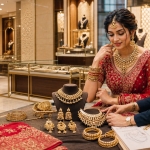
Choosing the best bridal jewellery starts with your wedding plans, not with the jewellery counter. Your outfit, neckline, wedding function, face shape, personal style, comfort and budget all affect the pieces you need. A heavy necklace might suit your wedding ceremony but feel unnecessary for your Mehendi. Statement earrings might work better for your Sangeet. The right jewellery collection gives each outfit its own look while keeping your overall bridal style connected. This guide helps you compare the main bridal jewellery choices and decide where each one fits.
My Top Picks
If you are building an Indian bridal jewellery collection, I would start with traditional 22K gold for the main ceremony, Kundan or Polki for a detailed bridal look, statement earrings for functions such as Sangeet, and lighter pieces for Mehendi. Temple jewellery suits brides following traditional South Indian styling. These choices come from the supplied research. I have not personally used these jewellery categories, so the rankings below reflect the research rather than firsthand testing. Your wedding traditions, outfit and budget should guide the final selection.
1. 22K Gold Bridal Jewellery
22K gold, marked 916, is the strongest choice in the supplied research for traditional wedding jewellery. A bridal collection might include a layered necklace, choker, earrings, maang tikka, bangles and nath. You do not need every piece to be heavy or elaborate. Start with the main ceremony and decide which pieces deserve more of your budget. When buying gold, check purity, BIS hallmarking, HUID, net gold weight, stone weight where relevant, making charges, GST and the final invoice.
2. Kundan Bridal Jewellery
Kundan is a strong option for brides who want a traditional and detailed bridal appearance. The supplied research associates Kundan with North Indian and Rajasthani bridal styling and places it alongside layered necklaces, chokers and traditional bridal accessories. A Kundan set does not need to include every possible piece. You might choose one main necklace, matching earrings and a maang tikka, then keep the remaining accessories simpler. This approach helps the main jewellery remain visible without making the entire outfit feel crowded.
3. Polki Bridal Jewellery
Polki suits brides who prefer a textured bridal jewellery look. The supplied research describes Polki as jewellery made with uncut, unpolished diamonds or their imitations and contrasts its appearance with the more refined finish associated with Kundan. It works well as a statement piece when you want one necklace or pair of earrings to lead the look. Before buying, check the materials, stone details, gold weight and final price. I have not personally used Polki jewellery, so this recommendation is based on the supplied research.
4. Lightweight Jewellery for Mehendi and Sangeet
Lighter jewellery makes more sense for functions where you expect to move around for longer periods. The supplied research recommends floral earrings, lightweight chokers, handchains, minimal maang tikkas and statement earrings for functions such as Mehendi and Sangeet. You might also get more future use from these pieces because they work with simpler outfits after the wedding. Try the jewellery before buying it. Sit, walk and move your arms. Earrings and necklaces often feel different after several hours than they do during a short showroom trial.
5. Temple Jewellery
Temple jewellery is a suitable choice for brides following traditional South Indian bridal styling. The supplied research associates this jewellery with motifs such as Lakshmi, peacocks and floral designs, along with silk sarees and traditional South Indian outfits. It should not be treated as a universal bridal choice. Your region, ceremony, outfit and personal style should decide whether it fits your wedding. If you choose temple jewellery, coordinate the necklace, earrings, bangles and other accessories so the motifs and metal finish work together without making every piece identical.
What Makes Jewellery the Best Choice for a Bride?
The best bridal jewellery depends on how well each piece works with your complete wedding look. Start with the function, then consider the outfit, neckline, face shape and personal style. A main ceremony often supports heavier traditional jewellery, while Mehendi and Sangeet benefit from lighter options. Your jewellery should also feel comfortable throughout the event. Future wear matters when you are making a large purchase. A necklace, pair of earrings or bangles you expect to wear again has more practical value than a piece selected for one outfit alone.
How Do You Choose the Best Bridal Necklace?
Your neckline should guide your necklace choice. A deep V neckline works with a longer pendant or layered necklace. A sweetheart neckline suits a medium choker or princess-length necklace. A high neckline often works better with statement earrings and little or no necklace. A boat neckline works with collar-style jewellery, while an off-shoulder neckline gives you space for a statement choker. These are styling directions from the supplied research. Your embroidery, jewellery proportions and personal preference should still influence the final decision.
How Do You Choose the Best Bridal Earrings?
Earrings frame your face, so their shape and size deserve attention. For a round face, longer earrings and drops create more vertical lines. Wider designs such as chandbalis suit a longer face by adding visual width. Curved shapes work well with stronger square facial angles, while medium-width earrings suit a heart-shaped face within the supplied styling framework. Diamond-shaped faces suit shorter or wider designs. Your hairstyle also affects the result. Always try your earrings with your planned hairstyle before making the final purchase.
How Do You Choose Jewellery for Each Wedding Function?
Plan your jewellery function by function instead of using one heavy set for the entire wedding. Mehendi suits lighter pieces such as floral earrings, lightweight chokers and handchains. Haldi works with simple options such as beads, pearls and enamel-style jewellery. Sangeet gives you room for statement earrings and lighter necklaces. The main ceremony suits traditional layered necklaces, earrings, maang tikka, nath and bangles. For the reception, a refined necklace, statement earrings or diamond jewellery gives you a different look from the ceremony.
How Much Should You Spend on Bridal Jewellery?
Set your jewellery budget before you start shopping. Gold jewellery involves more than the daily gold rate. You also need to account for making charges, stone-related costs where applicable and GST. The supplied research gives an example dated 25 August 2026 where a 40g 22K bridal set had an indicative gold value of ₹5,94,880. With 18% making charges and 3% GST, the example final price came to ₹7,24,172. This example shows how charges affect the final bill. It is not a standard bridal jewellery price.
What Should You Check Before Buying Gold Jewellery?
Before paying for gold jewellery, check the purity, BIS hallmark, HUID and net gold weight. For studded jewellery, ask for the stone weight separately. Also ask about making charges, GST, exchange terms, buyback terms, resizing and repairs. The supplied research recommends checking HUID through the BIS CARE app where applicable. Ask the jeweller to explain the major costs on the invoice. Keep the final invoice after purchase. It gives you a record of the jewellery details and charges included in the transaction.
How Do You Make Bridal Jewellery More Versatile?
Choose pieces with future outfits in mind. A large bridal necklace might work perfectly with your wedding lehenga and rarely leave your jewellery box afterward. A medium choker, statement earrings, bangles or pendant set often gives you more options. Ask whether you would wear the piece with a saree, festive outfit or family wedding clothing. You should also check whether individual pieces work separately. This approach helps you spend more carefully and gives your jewellery a practical role after the wedding.
How Do You Balance Heavy Bridal Jewellery?
Start by choosing one main statement area. If your necklace has heavy detailing, you do not need equally elaborate earrings, bangles and head jewellery. If your earrings are the main focus, keep the necklace more controlled. Your outfit also affects the balance. Heavy embroidery gives the jewellery less room to compete for attention, while a simpler outfit gives you more space for a statement piece. The supplied research recommends coordination rather than making every jewellery piece identical or equally elaborate.
Should All Bridal Jewellery Match?
Your bridal jewellery does not need to come from one identical set. Coordination often gives you more freedom. Repeat one or two elements across your pieces, such as the metal finish, stone colour or a particular motif. Your necklace and maang tikka might share a design detail while your earrings use a different shape. This creates a connected look without making every accessory identical. The supplied research supports this approach and recommends coordinating jewellery with the outfit rather than treating exact matching as a requirement.
How Do You Choose Jewellery Based on Your Face Shape?
Face shape helps you narrow down jewellery options, especially earrings and other pieces worn close to the face. Round faces suit longer earrings and drops within the supplied styling framework. Long faces suit wider earrings such as chandbalis. Heart-shaped faces work with medium-width earrings and designs wider toward the bottom. Curved shapes help soften square facial angles. Shorter or wider earrings suit diamond-shaped faces. Treat these suggestions as a starting point. Your hairstyle, neckline and personal preference still affect how the jewellery looks.
How Do You Check Bridal Jewellery for Comfort?
Comfort deserves attention before you buy. Try the complete jewellery combination with your outfit when possible. Sit down, walk around and move your arms. Check whether the necklace stays in place and whether the earrings feel comfortable. The supplied research recommends testing jewellery before the wedding, especially when you expect to wear it for several hours. Lightweight or detachable pieces also offer a practical option for long events. A piece that feels uncomfortable during a short trial deserves another look before you commit to buying it.
What Bridal Jewellery Mistakes Should You Avoid?
Do not buy jewellery before finalising your main outfits. Do not choose pieces only because they are heavy. Do not ignore making charges when comparing gold jewellery. Do not mix stone weight with net gold weight when checking a studded piece. Do not buy every accessory from one matching set without considering whether you need each item. Also check your existing family jewellery before shopping. You might already have pieces suitable for one of your functions. Planning first helps you avoid unnecessary purchases.
Final Thoughts
The best bridal jewellery is the jewellery that works for your wedding, your outfits and your plans after the wedding. Start with your functions and outfits. Check the neckline, embroidery, colours and overall style. Then choose your main pieces and decide where lighter jewellery makes more sense. For gold purchases, check purity, BIS hallmark, HUID, net gold weight, stone weight, making charges, GST and the final invoice. Most importantly, choose pieces you feel comfortable wearing and expect to use beyond your wedding day.
FAQs
Which jewellery is best for an Indian bride?
22K gold is the strongest traditional option covered in the supplied research. Kundan, Polki, temple jewellery and lighter jewellery also suit different bridal styles, regions and wedding functions.
How do I choose the best bridal necklace?
Start with your blouse neckline, then consider the outfit embroidery, colour palette, face shape and overall jewellery balance. A deep V, sweetheart or high neckline each suits different necklace directions.
Is 22K gold good for bridal jewellery?
The supplied research identifies 22K gold, marked 916, as an established standard for traditional wedding jewellery. 18K gold is also used for some modern, diamond-studded and daily-wear pieces.
Should bridal jewellery be heavy?
No fixed weight suits every bride or function. Heavier jewellery often suits the main ceremony, while lighter pieces work better for Mehendi and Sangeet, where movement and comfort matter.
How do I choose bridal jewellery within my budget?
Set your total budget before shopping. Compare net gold weight, purity, making charges, stone-related costs and GST. Prioritise the pieces you expect to wear most and consider future use before making the final purchase.