
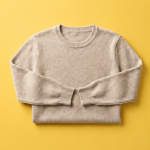




When shopping for a sweater, most people naturally focus on the material, color, fit, and appearance. Cashmere may immediately suggest softness and luxury, while wool may suggest warmth and durability. However, another measurement can tell you a great deal about how a sweater will actually feel and perform. That measurement is GSM, or grams per square meter. Understanding GSM can help shoppers compare different sweaters more accurately because it provides an indication of fabric weight and density. For anyone looking at premium knitwear, including Luxury Beige Cashmere Sweaters, understanding sweater weight can make it easier to choose a garment that provides the right balance of warmth, flexibility, structure, and drape.
What GSM Means in Knitwear
GSM stands for grams per square meter and refers to the weight of a fabric over an area of one square meter. In simple terms, it gives you an indication of how much material is used in a particular fabric. A higher GSM generally means the fabric is heavier or denser, while a lower GSM usually indicates a lighter construction. However, GSM should not be treated as a direct measurement of warmth because the relationship between fabric weight and insulation is more complicated.
Different fibers can provide different levels of insulation even when their fabrics have similar weights. The construction of the knit, the thickness of the yarn, the density of the stitches, and the amount of air trapped within the fabric can all influence how warm a sweater feels. Therefore, GSM is best viewed as one useful piece of information rather than a complete measure of performance.
Why Sweater Weight Matters
The weight of a sweater influences more than just warmth. It can affect how the garment hangs, how easily it layers, how structured it appears, and how comfortable it feels during everyday wear. A lightweight sweater may move more freely and sit closer to the body, while a heavier knit may have a more substantial appearance and create a stronger silhouette.
For cashmere shoppers, this distinction is especially important because cashmere can be produced in a wide range of constructions. A fine lightweight cashmere sweater may be ideal for layering during transitional weather, while a heavier cashmere knit can provide additional insulation during colder conditions. The right weight depends largely on climate, personal preference, and how the garment will be worn.
How Low GSM Sweaters Usually Feel
Lower GSM fabrics are generally lighter and can feel more flexible against the body. In sweater construction, lightweight materials are often useful for layering because they do not add excessive bulk underneath jackets, coats, or other garments. They can also work well in mild climates where a thick sweater would provide more warmth than necessary.
A lightweight cashmere sweater can be particularly versatile because it can provide a comfortable additional layer without making an outfit feel heavy. This makes lighter constructions suitable for offices, travel, cool evenings, and transitional seasons. If you live somewhere where winter temperatures fluctuate considerably, a lighter sweater can sometimes provide more practical value than a heavy knit that is only comfortable on the coldest days.
How High GSM Sweaters Usually Feel
Higher GSM fabrics contain more material within the same surface area and often create a heavier, more substantial feel. In sweaters, this can contribute to a stronger structure and increased warmth, although the exact result depends on the fiber and knitting method. A dense, heavy knit can feel reassuringly substantial and may be better suited to colder conditions.
Heavy sweaters can also create a different visual effect. They often have more body and may hold their shape more strongly instead of falling closely against the wearer. This can be useful for relaxed silhouettes, winter layering, and outfits where the sweater itself is intended to function as a major outer layer.
GSM and Warmth Are Not the Same Thing
One of the most important things to understand is that higher GSM does not automatically mean a sweater will always be warmer. Warmth depends on several variables working together. Fiber characteristics, knit structure, yarn thickness, air pockets, garment fit, and layering all contribute to thermal performance.
For example, two sweaters can have similar fabric weights while feeling different when worn. One may have a construction that traps more air, while another may sit more closely against the body. Similarly, a lightweight sweater worn underneath a jacket can provide substantial warmth when combined with another layer.
This is why shoppers should avoid choosing a sweater based solely on a GSM number. Use GSM to understand relative fabric weight, then consider the rest of the garment's construction and intended use.
GSM and Cashmere Quality
When shopping for cashmere, GSM can help explain why some sweaters feel noticeably more substantial than others. However, it should not be confused with cashmere quality. A heavier sweater is not automatically made from better cashmere, and a lightweight sweater is not automatically inferior.
Fiber length, fiber fineness, yarn quality, knitting technique, finishing, and craftsmanship can all influence the quality of a cashmere garment. A lightweight cashmere sweater made with high-quality fibers can provide excellent softness, comfort, and durability. Likewise, a heavy sweater made from lower-quality materials may not offer the same experience.
This distinction is particularly relevant when comparing premium garments. Luxury Beige Cashmere Sweaters may come in different weights and constructions because they are designed for different uses. Instead of assuming that the heaviest option is the most luxurious, consider whether the weight actually suits your wardrobe and climate.
Understanding Drape in a Sweater
Drape describes how a fabric falls and moves when it hangs from the body. It is one of the characteristics that can dramatically change the appearance of a sweater. A lightweight knit often has more fluid movement and may follow the body's shape more naturally. A heavier knit usually has greater structure and can create a more defined silhouette.
Cashmere is particularly interesting because the fiber can feel soft and flexible while still providing warmth. A lightweight cashmere sweater can create an elegant drape that works well for refined everyday outfits. Heavier cashmere, on the other hand, can create a more substantial appearance that suits colder-weather styling.
Drape is not simply a question of whether one sweater is better than another. It is about the look and function you want. Someone who prefers relaxed, flowing layers may appreciate a lighter construction, while someone who wants a structured winter sweater may prefer greater weight.
How Knit Density Changes the Feel
GSM does not tell the entire story because knit density also affects how a sweater behaves. Two garments with similar fabric weights can have different textures and levels of flexibility depending on how the yarn is knitted. Tighter knitting can produce a more compact fabric, while a looser structure may create greater flexibility and airflow.
The type of stitch used can also affect the appearance and performance of a sweater. Ribbed sections, for example, can provide stretch around cuffs and hems, while different knit structures can influence the sweater's overall surface and drape. When shopping for premium knitwear, looking at both fabric weight and construction provides a much more complete understanding of the garment.
Choosing the Right Weight for Your Climate
Your local climate should be one of the first factors you consider when choosing sweater weight. If you live in a region with mild winters, lightweight or medium-weight sweaters may provide more flexibility because they can be worn during cool mornings and evenings without becoming uncomfortable during warmer parts of the day.
In colder regions, heavier sweaters can become more practical, especially when worn as an outer layer or combined with a coat. However, even in cold climates, lighter sweaters remain useful because layering allows you to adjust insulation throughout the day.
For people who travel frequently, owning different sweater weights can also make sense. A lightweight cashmere sweater can work for airports, restaurants, and mild destinations, while a heavier knit can be reserved for genuinely cold environments.
GSM and Layering
Layering is another reason sweater weight deserves attention. A thin sweater can easily fit underneath a jacket without creating excessive bulk. This makes lightweight cashmere particularly useful for professional wardrobes where a polished appearance matters.
A medium-weight sweater can often function as a standalone garment while still fitting underneath a larger coat. Heavy sweaters generally require more room and may be better suited to relaxed outerwear combinations. Understanding this difference can help prevent the common mistake of purchasing a beautiful sweater that becomes difficult to wear with the rest of your wardrobe.
How to Choose the Right Sweater Weight
Rather than searching for one ideal GSM number, think about the role the sweater needs to play. For lightweight layering, prioritize a thinner construction with comfortable movement. For everyday winter wear, a medium-weight sweater may provide a useful balance between warmth and versatility. For colder conditions, a heavier construction may provide the substantial insulation and structure you need.
Also consider how the sweater fits. A very heavy knit in an oversized cut can feel significantly warmer and bulkier than its GSM alone might suggest. Similarly, a lightweight sweater in a close-fitting design may feel warmer when layered underneath outerwear.
Look at the entire garment rather than focusing on one specification. Fiber quality, construction, fit, knit density, weight, and intended use should all work together.
Making a Smarter Cashmere Purchase
Understanding GSM gives shoppers another tool for evaluating premium knitwear. It helps explain why two sweaters made from similar fibers can feel completely different when worn. However, GSM should always be interpreted alongside fiber quality, construction, fit, climate, and personal preference.
For shoppers considering Luxury Beige Cashmere Sweaters, this knowledge can make the buying process more practical. A lightweight beige cashmere sweater may be ideal for layering, travel, transitional weather, and indoor environments, while a heavier version may be more appropriate for colder winter conditions. Neither option is automatically better. The right choice depends on how and where you plan to wear it.
Ultimately, sweater weight is about finding the right balance. GSM can help you understand how substantial a fabric is, while drape tells you more about how it behaves visually and physically. When these factors are considered together with fiber quality and construction, you can choose cashmere that not only looks luxurious but also fits naturally into your everyday wardrobe.