
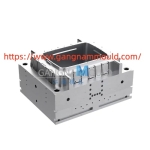

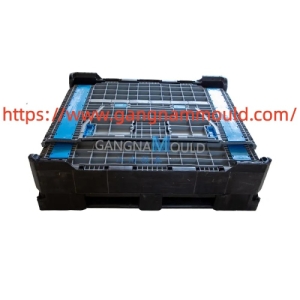
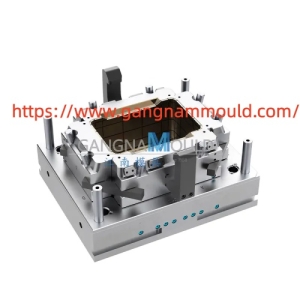
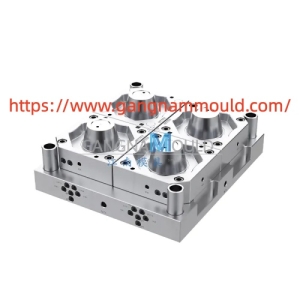
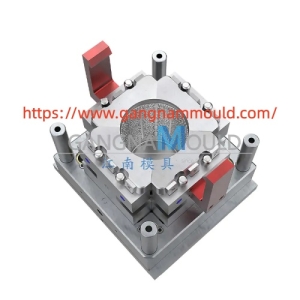
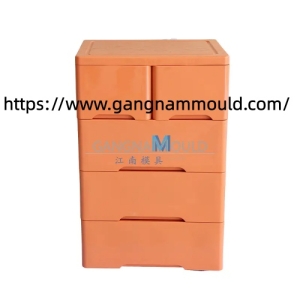
Storage Box Mould selection begins with a clear review of daily output targets press tonnage and resin type so the chosen tooling delivers consistent results from the first trial shot. Factories that skip this early alignment often face longer setup times and uneven wall thickness later.
Start by listing the planned monthly volume. Higher volumes usually call for multi-cavity layouts that fill and cool in balanced cycles. Lower volumes may work better with single or dual cavities that allow faster design changes when product dimensions shift. Measure the available clamping force on existing presses. Tooling that exceeds press capacity risks incomplete fills or flash while under-sized units leave press potential unused.
Material compatibility comes next. Different resins expand and shrink at different rates. Confirm the steel grade can handle the expected thermal load without warping. Harder steels resist wear from abrasive fillers yet may raise initial cost. Softer grades machine faster for short runs. Request hardness certificates and polish samples so the surface finish matches the required container appearance.
Cooling layout directly affects cycle time. Even water channels keep cavity temperatures uniform and shorten cooling periods. Uneven cooling creates sink marks or warpage that force secondary inspection. Ask for flow analysis reports that show temperature distribution across each cavity.
Gate location and size influence fill pattern and residual stress. Center gates work well for simple rectangular shapes while edge gates suit taller walls. Proper gate design reduces shear heat that can degrade resin. Ejector pin placement must clear undercuts without marking the outer surface. Test the ejection force on sample plates before full production.
Draft angles of one to two degrees per side ease release and protect both the tool and the formed part. Insufficient draft increases sticking risk and raises scrap rates. Venting slots at the parting line allow trapped air to escape so short shots stay rare.
Once the basic geometry is set review the runner system. Hot runners cut material waste on high-volume jobs while cold runners keep tooling simpler for frequent color changes. Balance the runner lengths so each cavity fills at the same moment.
Supplier capability matters as much as the design itself. Visit the workshop or request video of the machining process. Check that the maker maintains calibrated measuring equipment and follows a documented quality plan. Gangnammould provides detailed drawings and trial reports so buyers can verify dimensions before shipment.
After delivery schedule a controlled trial on the actual press. Record fill time pack pressure and cooling duration. Adjust process parameters only after confirming the tool performs as designed. Keep a log of shot counts and any maintenance actions. Early detection of wear on core pins or slides prevents larger downtime later.
Training operators on proper handling further protects the investment. Clean surfaces with approved agents only. Avoid metal tools that can scratch polished cavities. Store the unit in a dry area with protective coating when not in use.
By following these steps factories gain tooling that matches press capacity resin behavior and volume goals. The result is steady output fewer rejected parts and longer intervals between major repairs.
Gangnammould continues to refine cavity layouts and cooling circuits based on field feedback from container producers. Visit https://www.gangnammould.com/product/ to review current options and request a design review tailored to specific press and resin data.