

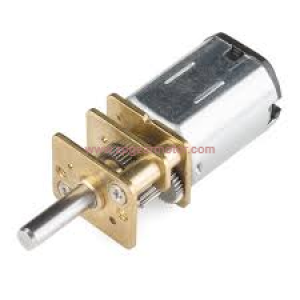
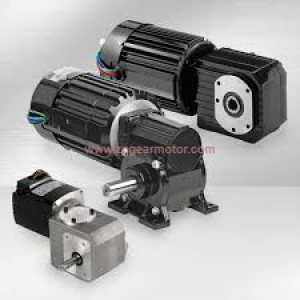
Equipment installed in foundries, food processing plants, chemical facilities, and outdoor conveyor systems faces conditions that shorten the life of ordinary motors. A Custom Gear Motor built for such settings must withstand particles that clog bearings, moisture that corrodes windings, and temperature swings that alter lubrication behavior. Engineers at zpgearmotor have worked with clients across multiple industries who learned the hard way that a motor rated for a clean workshop fails quickly when relocated to a production floor filled with dust and steam. What actually determines whether a geared motor survives where others fail?
Enclosure ratings provide the first line of defense. Motors built to IP65 standards resist dust ingress and withstand water sprayed from any direction, which suits washdown areas in food and beverage plants. Higher ratings address temporary immersion or continuous exposure to fine particles. Buyers who specify a rating without understanding the actual site conditions sometimes overpay for protection they do not need or, worse, select equipment that falls short of what the environment demands.
Sealing extends beyond the motor housing. Shaft openings, cable entries, and mounting interfaces all represent potential paths for contaminants. Custom designs address these points with lip seals, gaskets, and sealed connectors that prevent particles from reaching internal components. Gearboxes require particular attention, since lubricant contamination accelerates wear and leads to premature failure. Units intended for harsh duty often include breathers that equalize pressure without admitting moisture.
Materials selection shapes long-term performance in corrosive settings. Standard housings may use aluminum or painted steel, while chemically exposed installations call for stainless steel or specialized coatings. Gears made from hardened alloys resist the pitting that occurs when abrasive particles enter the lubricant. Bearings with sealed construction keep contaminants away from rolling elements. Each material choice adds cost, which is why matching specification to environment matters rather than defaulting to the heaviest option available.
Thermal management becomes critical where ambient temperatures climb or fluctuate. Motors operating in high-heat environments require insulation rated for elevated temperatures and lubricants that maintain viscosity across a wide range. Cold conditions present different challenges, since standard grease stiffens and increases starting torque beyond what the motor can deliver. Custom designs account for these extremes through insulation class selection, heater provisions, and lubricant specifications suited to the site.
Vibration represents another factor that distinguishes harsh environments from controlled ones. Equipment mounted on vibrating platforms or subjected to repeated shock loads experiences fastener loosening, bearing fatigue, and eventual structural failure. Reinforced mounting flanges, thread-locking measures, and balanced rotating assemblies extend service life in these conditions. Applications in mining, construction, and heavy material handling benefit from these design choices.
Maintenance access influences total cost of ownership in demanding settings. A motor that requires complete disassembly for routine inspection keeps equipment offline longer than one designed with accessible grease fittings and replaceable seal modules. Buyers evaluating options should consider how easily technicians can service the unit without specialized tools or extensive downtime. Zhanpeng Machinery builds gear motors with serviceability in mind, offering configurations that support field maintenance in remote or difficult locations. The company's product range, detailed at https://www.zpgearmotor.com/, covers AC, DC, and brushless designs with direct and right-angle mounting options.
Practical experience from installations around the world shows that harsh environments reward careful specification rather than optimistic assumptions. Motors chosen for their nominal power rating alone often fail within months when dust, moisture, and heat combine to attack every weakness. Units designed with those threats in mind continue operating through years of demanding service, proving that the right Custom Gear Motor pays for itself through reduced replacement and downtime costs. What conditions does your next project present?