
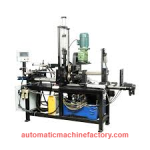

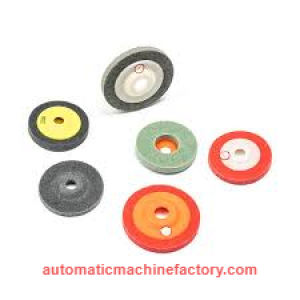
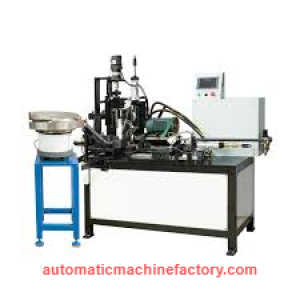
Brush manufacturing covers a surprisingly wide range of products. A brush may be designed for surface cleaning, polishing, deburring, material guidance, dust control, or other industrial tasks, and each purpose can require a different structure. This is why Brush Making Machinery is not limited to one finished product. At automaticmachinefactory, equipment is developed around practical manufacturing requirements, including wire feeding, cutting, bending, twisting, trimming, and brush assembly. Such production stages give manufacturers flexibility when developing different brush configurations. But what can these machines actually produce for a modern factory?
The answer depends on the machine structure, tooling, raw material, and intended brush design. A production line designed for a twisted wire brush will naturally operate differently from equipment used for a strip brush or a wheel brush. Selecting machinery according to the finished product allows the production process to remain organized while giving manufacturers room to serve different applications. TARUN's brush machinery range includes equipment related to wire bending, automatic wire cutting, wire twisting, curved wire processing, brush segments, and other production operations.
Wire Brushes for Industrial Applications
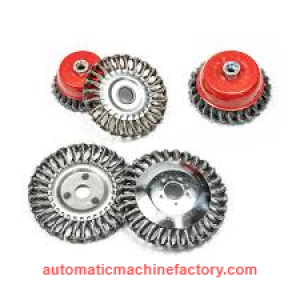
Wire brushes are among the important products supported by specialized production equipment. They are widely associated with cleaning, rust removal, polishing, surface preparation, and metalworking. Depending on the design, a wire brush may use steel wire, stainless steel wire, or another suitable filament. The final structure can vary according to the surface being treated and the required contact behavior.
Wheel brushes are one example. Their circular arrangement allows the bristles to contact a surface while the brush rotates. This configuration can be useful for cleaning, deburring, paint removal, and surface preparation. Production machinery helps position and secure the wire in an organized pattern so the finished product follows the intended design.
Twisted wire brushes represent another category. These products use wire that is twisted into a particular structure, with the bristles held within the twisted section. TARUN provides automatic equipment designed for twisted wire brush production, including pen-style wire brush manufacturing. The system combines wire feeding, twisting, shaping, and assembly processes, making it suitable for manufacturers seeking an integrated production approach.
Different Shapes Require Different Production Processes
Not every brush has the same geometry. A circular brush, curved brush, strip brush, and compact brush segment each require different positioning and forming methods. Machine configuration therefore plays an important role in determining what a factory can manufacture.
Curved wire products are one example. When wire needs to follow a specific shape, bending and trimming have to work together with accurate positioning. Specialized equipment can help create consistent curved components before they move into subsequent production stages.
Brush segments also require controlled material placement. The distribution of bristles influences how the finished product contacts a surface, while the base structure determines how it can be installed or connected to another component. Machinery designed for segment production can therefore support applications where a complete circular or roller brush is not required.
The same principle applies to wire cutting. Cutting equipment prepares material to a required length before additional forming or assembly takes place. When several production stages are coordinated, manufacturers can build a workflow around the actual brush design rather than forcing every product into one production method. TARUN's product range includes automatic wire cutting, curved wire cutting, wire bending, twisting, and brush segment equipment.
Materials and Custom Production
Material selection has a direct relationship with brush performance. Steel wire can be selected for demanding surface work, while stainless steel may be suitable when corrosion resistance is an important consideration. Other filament choices can serve applications where flexibility, softness, or a particular contact effect is required.
A machine therefore needs to match the material characteristics as well as the brush shape. Wire diameter, length, bending behavior, twisting requirements, and fixing method can all influence the production setup. A manufacturer producing several brush styles may also need adjustable tooling and process settings so that different orders can be handled without rebuilding the entire production system.
Customization is another important consideration for factories serving specialized customers. According to TARUN's FAQ, the company develops customized products based on customer drawings or samples and carries out inspections during production and on finished products according to customer requirements and applicable standards.
This approach can be useful when a standard machine configuration does not fully match a particular brush design. Instead of focusing only on a catalog model, manufacturers can discuss the brush structure, raw material, production sequence, and required output with the equipment supplier before selecting a suitable configuration.
Matching Equipment With the Finished Brush
Choosing production machinery should begin with the finished brush rather than the machine name alone. A factory should first consider what the brush needs to accomplish, where it will be used, what material will form the bristles, and how the finished product will be assembled.
For example, a manufacturer making wire wheel brushes may prioritize wire feeding, cutting, insertion, and circular forming. A producer of twisted pen brushes may focus on twisting accuracy and automatic assembly. A business producing curved brush components may require bending and trimming capabilities. Each situation creates a different equipment requirement.
Factory space, operator involvement, maintenance access, production workflow, and future product plans also deserve attention. Equipment that fits comfortably into the existing process can be easier to operate and integrate. Clear communication with the supplier during the selection stage can also help identify tooling requirements and suitable machine combinations.
TARUN, operated by Yongkang Tarun Technology Co., Ltd., develops and supplies metal processing machinery, industrial automation equipment, hardware-related machinery, and brush production equipment. The company states that it serves domestic and overseas agents and retailers and provides customized manufacturing based on customer requirements.
Exploring Brush Production Possibilities
A single brush production concept can involve several mechanical stages, from preparing raw wire to forming, trimming, joining, and assembling the final structure. This gives manufacturers a wide field for product development, especially when their customers require different brush shapes or working characteristics.
For companies evaluating production equipment, the key question is not simply whether a machine can make a brush. It is whether the configuration can reproduce the required structure with suitable material handling, positioning, forming, and assembly. A thoughtful equipment selection process can help create a production line that matches actual orders and leaves practical room for future product variations.
For manufacturers researching Brush Making Machinery, the product range available through https://www.automaticmachinefactory.com provides a useful starting point for examining wire bending, cutting, twisting, curved wire processing, brush segment production, and related equipment, while TARUN can discuss customized requirements according to drawings or samples and help factories explore a suitable production direction.