
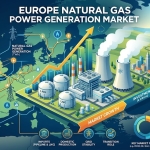
Europe’s natural gas power generation sector is being transformed by several forces operating simultaneously. Renewable electricity is expanding, electricity demand is becoming more variable, energy security remains important, and climate policy is tightening. These developments are changing how gas-fired plants operate and how companies evaluate their commercial potential. Rather than disappearing immediately, gas generation is increasingly adapting to a market where flexibility, efficiency, and system value matter more than high utilization alone.
One major trend is the growing importance of flexible dispatch. Solar and wind generation can produce substantial volumes of low-cost electricity when weather conditions are favorable, reducing the need for conventional generation at those times. During periods of low renewable output, however, flexible thermal plants can become valuable. Gas units that can start quickly and respond to changing demand may therefore capture opportunities in balancing and capacity markets.
Another trend is the increasing importance of revenue diversification. Traditional generators primarily depended on electricity sales, but modern flexible assets can participate in several market segments. Capacity payments, ancillary services, balancing mechanisms, and congestion-related services may complement wholesale energy revenues. This shift encourages operators to optimize plants around multiple value streams rather than maximizing annual generation.
Efficiency remains a central competitive factor. Higher-efficiency combined-cycle facilities require less fuel for each unit of electricity produced, improving economics under many market conditions. Plant upgrades can further enhance heat rates, availability, and operational flexibility. Digital systems can support these improvements through predictive maintenance, automated controls, performance monitoring, and data-driven dispatch decisions.
Energy security continues to influence market behavior. Europe’s experience with supply disruptions has increased attention on diversified fuel sources, gas storage, LNG infrastructure, and regional connectivity. Gas-fired generation depends on this infrastructure, so changes in fuel availability can directly affect power-market outcomes. Operators with robust procurement strategies and reliable fuel access may have stronger resilience during periods of volatility.
Decarbonization is simultaneously creating pressure and opportunity. Carbon pricing can reduce the competitiveness of gas generation compared with low-carbon resources, particularly when renewable output is strong. Yet efficient gas plants can support coal displacement and provide dispatchable power while grids develop more storage and transmission. This transitional role is likely to remain an important part of market discussions.
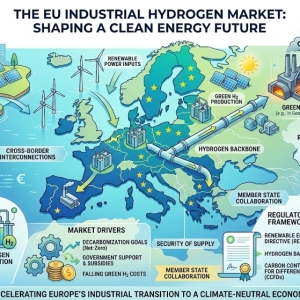
Hydrogen readiness is another trend attracting attention. Equipment suppliers and plant developers are examining whether existing turbines can accommodate hydrogen blends or eventually operate with higher shares of lower-carbon fuels. Commercial adoption depends on hydrogen supply, infrastructure, technical standards, and cost competitiveness. Nevertheless, fuel flexibility may influence investment decisions for new or modernized plants.
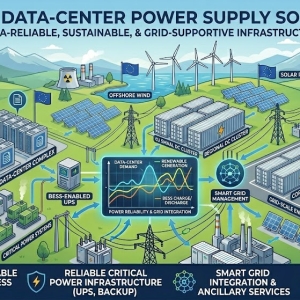
Regional electricity demand is also changing. Electrification, industrial investment, and digital infrastructure can create localized capacity requirements. Data centers and other high-load facilities may increase the value of reliable generation near constrained networks. This can support selective opportunities for gas generation even as total system decarbonization progresses.
The Europe Natural Gas Power Generation Market Trends increasingly reflect this transition toward flexible, efficient, and strategically positioned assets. Market participants need to monitor policy, fuel prices, capacity mechanisms, renewable additions, storage deployment, and transmission investment together.
Over the next energy cycle, competition will intensify between gas generation and alternative flexibility technologies. Batteries, demand response, pumped storage, interconnectors, and other resources will capture portions of the flexibility market. Gas plants that remain competitive are likely to be those with strong efficiency, rapid response, reliable fuel access, and multiple revenue opportunities.
For companies across the value chain, these changes create opportunities in equipment modernization, maintenance, software, fuel management, emissions reduction, and system integration. The sector’s evolution will be defined by how effectively natural gas generation supports a cleaner, more flexible European power system for investors.