

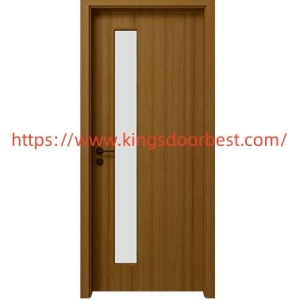
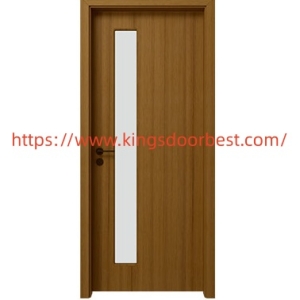

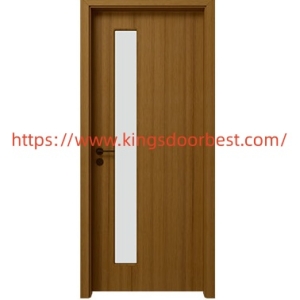
MDF PVC Door selection requires careful consideration of construction, surface appearance, dimensions, and installation conditions. Homeowners, contractors, property developers, and distributors can benefit from reviewing these details before requesting quotations. A clear purchasing plan helps buyers explain their expectations, compare available configurations, and communicate efficiently with a manufacturer.
Identify the Project Requirements
Begin by identifying the intended location and purpose of each unit. Bedrooms may require privacy and a design that coordinates with the surrounding decoration, while offices and hotels may need consistent specifications across multiple rooms.
Consider the quantity, room layout, opening direction, and preferred appearance before discussing product options. For larger developments, prepare a schedule that records the requirements for each space. This allows the purchasing team to organize specifications and helps the supplier understand the project scope.
Environmental conditions also deserve attention. Areas exposed to humidity may require specific installation practices and additional protection around exposed edges. Ask the supplier about suitable applications and recommended conditions before confirming a model.
Review Construction and Decorative Finishes
The internal panel and outer surface both affect the finished appearance. Ask the manufacturer about the core material, panel thickness, surface treatment, bonding method, and edge finishing.
Available decorative options may include wood-inspired patterns, solid colors, and textured finishes. Each option creates a different visual effect, so buyers should consider how the selected design will coordinate with furniture, flooring, and wall colors.
Inspect samples carefully when available. Pay attention to surface consistency, corners, edges, and patterned areas. For larger orders, approving a reference sample before production can help establish a shared standard for color, texture, and overall appearance.
Buyers should also request relevant product specifications rather than relying only on photographs. Clear documentation makes it easier to compare different configurations and confirm that the proposed product meets the project's requirements.
Confirm Measurements and Hardware
Accurate measurements help reduce fitting problems and avoid unnecessary adjustments during installation. Confirm the required height, width, thickness, frame dimensions, and opening direction before placing an order.
For renovation work, measure the existing opening and inspect the surrounding walls and floor. For new construction, coordinate measurements with approved drawings and the installation team's requirements.
Hardware preparation should be confirmed in advance. Hinge locations, handle positions, lock preparation, and frame compatibility can affect the final configuration. If specific holes or cutouts are required, provide clear drawings and written instructions.
For wholesale purchasing, use a specification sheet listing each size, finish, quantity, and hardware requirement. This gives both parties a common reference and helps prevent misunderstandings when several configurations are included in one shipment.
Coordinate Colors With Interior Design
Color and texture can influence the overall feeling of a room. Buyers should consider the relationship between the selected finish, flooring, furniture, wall coverings, and lighting.
Wood-inspired patterns may complement natural decorative elements, while neutral shades can suit contemporary interiors. Decorative panel profiles may also help establish a consistent appearance in traditional homes, hospitality spaces, and office environments.
Lighting can change how a finish appears. A color shown on a computer screen may look different under daylight or indoor lamps. Reviewing physical samples in the intended environment can help buyers make a more informed decision.
For multi-unit developments, document the approved color and finish reference. This makes it easier to coordinate different rooms and maintain consistency when purchasing additional quantities for later project stages.
Discuss Maintenance and Quality Inspection
Before confirming a purchase, ask about suitable cleaning methods and routine care. Gentle cleaning practices can help preserve the decorative surface, while abrasive tools or unsuitable chemicals may cause damage.
Agree on inspection criteria before production or delivery. These may include dimensions, surface appearance, edge condition, hardware preparation, and visible defects. For bulk orders, discuss sample approval and how production batches will be checked against the agreed specifications.
Packaging is another practical consideration. Protective materials, suitable cartons, and clear labels can help reduce damage during handling and transportation. For international shipments, confirm packaging requirements and shipping documentation before dispatch.
Establish a Clear Purchasing Process
A reliable purchasing process begins with clear communication. Buyers should prepare the required quantity, dimensions, preferred finish, delivery destination, and expected schedule before requesting a quotation.
It is also helpful to discuss customization availability, sample arrangements, production planning, and the process for approving specifications. Written records of drawings, approved samples, and order details can simplify repeat purchases and reduce confusion when requirements change.For residential renovations, commercial developments, and wholesale distribution, kingsdoorbest provides a contact point for discussing interior product options and project requirements. Visit https://www.kingsdoorbest.com/ to review the available range and contact the company about dimensions, surface finishes, decorative styles, and purchasing arrangements.