
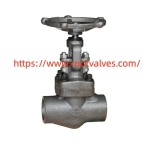

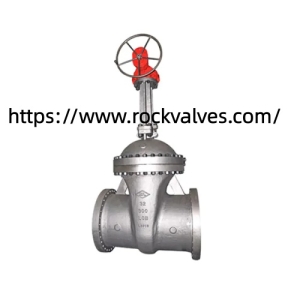
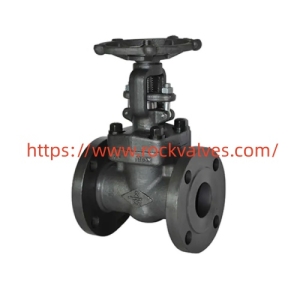
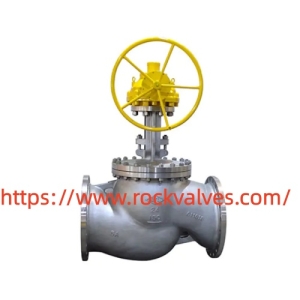
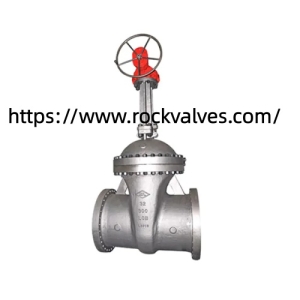
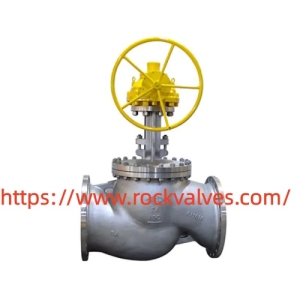
DIN Standard Cast Steel Valves differ from their ASME counterparts in several structural and rating aspects that affect how industrial buyers specify flow control components for regional projects. Face to face dimensions form one clear distinction. European designs follow shorter overall lengths defined under EN series tables which help conserve space in compact plant layouts. American designs use longer body measurements that align with established Class based piping practices common in North American facilities.
Pressure classification methods also diverge. European units apply PN ratings expressed in bar units such as PN16 or PN40 while American units rely on Class ratings such as Class 150 or Class 300 based on pound per square inch values. This difference requires careful conversion when projects involve mixed specifications or equipment sourced from multiple regions.
Flange connection details present another practical variation. European versions typically adopt metric drilling patterns and raised face configurations according to EN flange tables. American versions follow imperial bolt circle patterns and facing styles under ASME flange rules. Matching these elements ensures proper gasket seating and bolt alignment during installation.
Material designations further separate the two approaches. European carbon grades often reference numbers such as 1.0619 or GP240GH while American carbon grades reference A216 WCB equivalents. Both serve similar temperature and media ranges for general service yet documentation and heat treatment references differ. Stainless and alloy options follow parallel patterns with corresponding grade cross references that buyers verify against process conditions.
Testing and inspection protocols reflect regional frameworks as well. European units commonly follow EN pressure test procedures while American units follow API or ASME test sequences. Both confirm shell integrity and seat tightness yet the acceptance criteria and marking requirements vary. Procurement teams request the relevant certificates to support project audits.
Rockv produces a range of industrial flow control components that address these dimensional rating and material distinctions so operators can select items suited to either framework. Units receive full dimensional checks and pressure verification before shipment.
Application considerations complete the comparison. European designs often appear in water distribution HVAC systems and moderate pressure process lines across Europe and regions that adopt similar codes. American designs appear frequently in oil and gas refining and higher pressure steam services. When a project spans both regions engineers evaluate interchangeability of face to face lengths and flange patterns to avoid field modifications.
Total ownership factors such as spare part availability and maintenance access also enter the decision. Consistent documentation and clear cross reference tables reduce confusion during later replacements. By reviewing face to face lengths pressure rating systems flange patterns material grades and test protocols buyers can align component choices with the governing project code and operating conditions. Product details and configuration options appear at https://www.rockvalves.com/ where dimensional data and rating tables can be reviewed against current system requirements.