


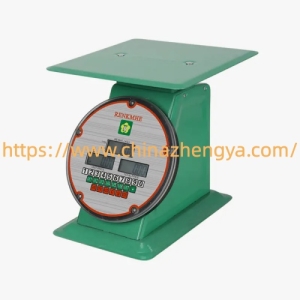


Electronic Commercial Scale technology can help businesses organize everyday weighing tasks, manage product quantities, and coordinate transactions across different working environments. For retailers, wholesalers, food sellers, and distribution companies, the right equipment can support a more structured workflow by making measurements easier to read and record. However, the practical value depends on choosing a model that matches the products handled, the required capacity, and the procedures followed by employees. Understanding these needs before purchasing helps businesses select equipment that fits their daily operations.
One way electronic weighing equipment can support a business is by simplifying routine product checks. In a retail shop, employees may weigh goods before calculating prices, preparing packages, or updating stock records. In a warehouse, staff may use measurements to check incoming materials or prepare shipments. A clear digital display can help operators read the indicated value without interpreting a mechanical pointer. When measurements are part of repeated tasks, a straightforward interface can make the process easier to follow and help employees maintain a consistent working routine.
The choice of capacity should reflect the actual goods being handled. A small store weighing packaged food may have different requirements from a wholesale supplier handling larger products. Buyers should review the rated capacity, division size, measurement units, and platform dimensions before deciding which model suits their application. The rated limit must accommodate the intended load, and users should follow the manufacturers instructions during operation. Selecting an appropriate range helps avoid equipment that does not match the business workload.
Display readability and control layout can also affect workflow. Employees may need to operate equipment while serving customers, sorting goods, or preparing orders. A clearly arranged screen, accessible controls, and understandable functions can reduce unnecessary steps during ordinary tasks. Buyers should consider viewing distance, workplace lighting, and the experience level of the people who will use the equipment. If several employees share the same unit, providing clear operating instructions can help establish consistent procedures across different shifts.
Integration with existing business processes is another point worth considering. Some companies record measurements manually, while others enter quantities into inventory software, checkout systems, or shipping records. Before purchasing, buyers should check whether the product offers the functions and connections required for their workflow. If data output or external connectivity is needed, the supplier should confirm supported interfaces and compatibility with the intended system. These details matter because a device that fits the physical task may still require additional steps if it does not match the companys recording process.
Workplace conditions should guide the choice of materials and design. Retail counters, food preparation areas, packaging rooms, and warehouses may have different requirements for cleaning, moisture resistance, dust protection, and available space. Buyers should explain the intended environment to the supplier and review the recommended operating and storage conditions. They should also ask about cleaning procedures, routine inspection, and maintenance access. These considerations can help staff care for the equipment appropriately and reduce avoidable interruptions caused by unsuitable placement or handling.
Accuracy and verification procedures deserve attention as well. Businesses that use measurements for pricing, stock records, or shipment preparation should understand the equipment specifications and the conditions needed for reliable readings. The unit should be placed on a suitable stable surface, used within its rated capacity, and operated according to the instructions. Buyers should ask whether calibration, periodic verification, or particular documentation is necessary for their application. Where commercial weighing regulations apply, they should confirm the local requirements before making a purchase.
Staff training is another practical way to support smoother daily work. Even an easy to operate device requires employees to understand how to place goods correctly, read measurements, recognize error messages, and respond to unusual results. Simple workplace procedures can help reduce inconsistent handling between team members. Businesses may also benefit from assigning responsibility for cleaning, checking cables or power supplies, and reporting damage. These routines help make equipment use part of an organized operating process rather than an isolated task.
For wholesalers and distributors, procurement planning involves additional questions. Buyers should compare specifications, packaging, minimum order quantities, sample availability, production schedules, and delivery arrangements. Written confirmation of the selected configuration can help prevent confusion when multiple units are ordered for different locations. It is also useful to clarify warranty terms, spare parts availability, and the process for handling technical enquiries. Comparing quotations with equivalent specifications gives purchasing teams a clearer basis for evaluating costs and planning inventory.
Nengzhi offers a point of reference for businesses reviewing weighing equipment for commercial operations. By identifying daily tasks, capacity requirements, display preferences, and workplace conditions before ordering, buyers can narrow their options and communicate their needs clearly. The appropriate model should fit the actual workflow rather than introduce unnecessary functions or operational steps. Businesses can review relevant company and product information at https://www.chinazhengya.com/product/