


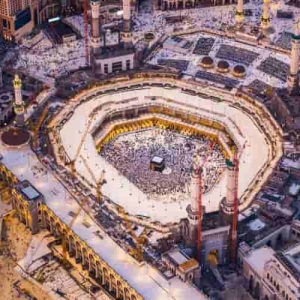



Travelling for Umrah brings together worship, personal reflection and the opportunity to experience places of profound significance. It also involves everyday decisions about transport, food, water, shopping and waste that can affect the environment around you.
For British Muslims researching umrah packages from UK, environmental responsibility may not be the first consideration when comparing itineraries. Yet small, thoughtful choices throughout a journey can help reduce unnecessary waste without compromising comfort or the purpose of the pilgrimage.
You do not need to make your trip complicated or adopt a completely different lifestyle. The aim is to recognise where resources are being used unnecessarily and make practical choices that fit your circumstances.
Why Environmental Responsibility Matters During Umrah
Makkah and Madinah welcome visitors from many countries, creating substantial demand for accommodation, transport, food, water and other services. Managing these resources responsibly is therefore an important consideration for travellers and the organisations serving them.
Saudi Arabia has also highlighted environmental responsibility in its pilgrimage preparations. In May 2026, the Ministry of Environment, Water and Agriculture encouraged Hajj pilgrims to conserve water, dispose of waste correctly and consider environmentally responsible practices. These recommendations were issued for Hajj, but several underlying habits are relevant to visitors more broadly. <Cite refs={["turn527425search0"]}/>
You can read the ministry's official environmental sustainability guidance for further context.
For individual Umrah travellers, the practical starting point is simple: avoid unnecessary consumption, respect public spaces and use the facilities provided responsibly.
Choosing umrah packages from UK with Sustainability in Mind
An environmentally responsible journey begins with understanding the arrangements you are booking.
When comparing umrah packages, consider how transport, accommodation and other services fit together. An itinerary with several separate movements may involve different resource requirements from one with more coordinated arrangements, although the actual impact depends on the distances, vehicles and services involved.
Ask for the proposed itinerary and understand how you will travel between the airport, accommodation and the two holy cities, if both are included.
Do not assume that a package is environmentally better simply because it is more expensive or described as premium. Equally, a lower-priced option is not necessarily less responsible.
Focus on practical information. Can unnecessary transfers be avoided? Are the arrangements clear? Is there an opportunity to use shared transport where suitable?
These questions help you make an informed decision without relying on vague environmental claims.
Reduce Single-Use Items During Your Journey
International travel can involve a surprising amount of disposable packaging.
Bottled drinks, takeaway containers, shopping bags and individually wrapped products can accumulate quickly, particularly when travellers purchase items throughout the day.
One useful approach is to prepare a small reusable travel kit before leaving Britain.
Depending on your needs and the rules of the places you visit, this might include a reusable shopping bag, a suitable refillable bottle and reusable cutlery where practical.
The objective is not to carry a large collection of items. A few useful essentials can be more effective than purchasing additional products specifically for environmental reasons.
You should also follow local instructions concerning drinking water. Do not assume that every water source is intended for drinking or that every container can be refilled safely.
When buying food or other necessities, consider whether you genuinely need the additional packaging and dispose of unavoidable waste appropriately.
Treat Water as a Resource Worth Conserving
Water is essential to daily life and religious practice during Umrah. Using it thoughtfully is therefore a practical habit worth developing.
When performing wudu, avoid leaving taps running unnecessarily. Use an appropriate amount of water, following the requirements of your practice without wasting it.
The same principle applies in your accommodation. Turn off taps when they are not needed, report persistent leaks to hotel staff and avoid unnecessary use of water during routine activities.
These actions may appear small, but they are straightforward ways to use available resources more responsibly.
Water conservation should not come at the expense of hygiene or religious requirements. The aim is to avoid needless waste while meeting your actual needs.
Be Mindful of Food Waste
Food is another area where simple decisions can help reduce unnecessary waste.
Buffets, takeaway meals and unfamiliar menus can encourage people to order or collect more food than they can comfortably eat.
If meals are included in your accommodation or package, begin with portions you expect to finish. You can return for more if the arrangement allows and you remain hungry.
When ordering independently, choose quantities that match your appetite rather than ordering additional dishes simply because they look appealing.
If you have dietary requirements, make those needs clear so that you are not repeatedly purchasing meals that you cannot eat.
Food waste cannot always be avoided, especially when portions or ingredients are unfamiliar. However, thinking ahead can help reduce the amount discarded.
Consider the Environmental Impact of Shopping
Many pilgrims purchase gifts or souvenirs for relatives and friends before returning to the UK.
There is nothing inherently wrong with bringing home gifts, but shopping can create unnecessary waste when purchases are made without much thought.
Before travelling, consider whom you genuinely wish to buy for and what would be useful or meaningful.
This can help prevent impulse purchases that are unlikely to be used. It may also reduce the amount of unnecessary packaging and additional luggage you carry.
When choosing items, consider their quality, usefulness and durability rather than judging them only by their appearance.
You do not need to avoid shopping altogether. The aim is to make deliberate purchases rather than accumulating belongings that have little value once you return home.
Use Electricity Sensibly in Your Accommodation
Accommodation consumes resources through lighting, cooling, laundry and other daily operations.
As a guest, you may not control the hotel's systems, but you can still avoid unnecessary consumption.
Switch off lights when leaving your room if this can be done safely and practically. Turn off electrical devices that do not need to remain on, and use towels more than once when appropriate and consistent with your personal hygiene needs.
For air conditioning, choose a comfortable setting rather than repeatedly adjusting the system without reason.
Do not compromise health, comfort or safe room conditions to save a small amount of electricity. Sensible use is the objective, not discomfort.
When comparing 5 star umrah packages, remember that a premium hotel does not automatically have better environmental performance. If sustainability matters to you, look for specific, verifiable information about the property's practices rather than relying on its star rating.
Choose Transport Thoughtfully
Transport is another part of the journey where planning can make a difference.
Where suitable options are available, shared transfers may reduce the need for several separate vehicle journeys. However, the most appropriate option depends on your itinerary, group size, accessibility requirements and the services actually offered.
If you are travelling with family or friends, consider whether you can coordinate airport transport rather than arranging several vehicles unnecessarily.
When choosing transport in Saudi Arabia, follow the arrangements confirmed by your provider and prioritise safety, reliability and suitability. An environmentally motivated choice is not useful if it leaves a traveller stranded or makes an essential transfer impractical.
You should also consider the wider journey rather than one individual trip. An itinerary that works well from the airport to the hotel may still involve additional transfers later, so review the complete sequence.
Respect Public Spaces and Local Facilities
Environmental responsibility is not limited to recycling or conserving electricity. It also involves how you behave in shared surroundings.
Dispose of rubbish in designated bins, avoid leaving belongings or packaging in public areas and follow instructions around the holy sites and accommodation.
Do not damage plants, disturb wildlife or treat public spaces as places where waste can be left for others to manage.
These habits help maintain clean surroundings for other pilgrims and the people who live and work in the cities.
If recycling facilities are available, follow the local instructions rather than assuming that a familiar recycling system from the UK operates in the same way.
When no suitable recycling option is provided, place waste in the designated general rubbish bins instead of leaving it behind.
Make Sustainability Practical Rather Than Perfect
It is easy to create an ambitious environmental checklist before travelling and then find that some items are impractical once the journey begins.
A more useful approach is to concentrate on choices you can realistically maintain.
You might focus on reducing disposable packaging, avoiding food waste, conserving water and disposing of rubbish correctly.
These actions do not require a perfect itinerary or special equipment. They simply involve paying attention to everyday decisions.
Some circumstances will be outside your control. A travel provider may determine the transport arrangements, a restaurant may have limited options, or suitable recycling facilities may not be available.
Do what is practical without compromising essential needs, safety or the purpose of your pilgrimage.
Planning luxury umrah packages 2026 Responsibly
Choosing luxury umrah packages 2026 does not mean you must abandon environmental considerations.
Comfort and responsible resource use can coexist. You can select accommodation that meets your requirements while avoiding unnecessary waste during your stay.
If a provider makes specific environmental claims, ask what those claims mean in practice. Look for clear details rather than assuming that descriptions such as eco-friendly or sustainable represent a particular standard.
Also remember that your individual choices form only one part of the wider picture. Hotels, transport operators, food suppliers and public authorities all influence how resources are managed.
Your role is not to solve every environmental challenge associated with travel. It is to make reasonable decisions within your control and support responsible practices where practical.
Conclusion
A meaningful Umrah journey does not require unnecessary consumption or waste.
When comparing umrah packages from UK, consider the complete itinerary and make practical choices about transport, water, food, packaging and accommodation. Small changes can help you use resources more thoughtfully while maintaining the comfort and arrangements you need.
Whether you are considering standard umrah packages, 5 star umrah packages or luxury umrah packages 2026, focus on realistic actions rather than unverified environmental claims.
Respect shared spaces, avoid unnecessary waste and follow local guidance. By approaching these everyday decisions thoughtfully, you can make environmental responsibility a practical part of your pilgrimage rather than another source of pressure.