




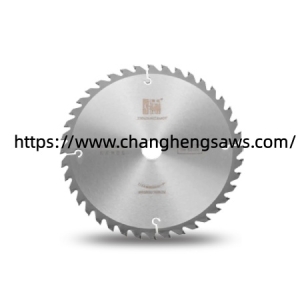
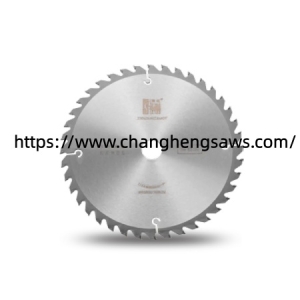

Plywood Cutting Blades are an important consideration for furniture factories, cabinet makers, panel processors, and woodworking distributors. Before placing an order, buyers need to evaluate more than the quoted price. Blade dimensions, tooth geometry, panel construction, machine compatibility, and expected production volume all influence whether a product suits the intended application. Preparing these details in advance helps purchasing teams communicate clearly with manufacturers and reduce the risk of ordering tools that do not match their equipment or processing needs.
One of the first checks should be the panel itself. Plywood varies in thickness, veneer arrangement, adhesive composition, and surface treatment. Some panels have delicate decorative faces, while others are designed for structural applications. These differences can affect cutting resistance and the risk of splintering around the edges. Buyers should explain the panel type, number of layers, thickness range, and required finish when discussing product options with a supplier.
Tooth geometry is another important specification. Tooth shape, spacing, and angle influence how material is removed and how the cut edge appears. A configuration intended for rapid material removal may not provide the finish required for visible furniture surfaces. A design with more teeth may support a smoother edge in suitable conditions, but it can also require appropriate feed settings and chip clearance. Buyers should evaluate the balance between finish quality and production speed according to their actual workload.
Blade dimensions must match the cutting machine. Before confirming an order, check the outer diameter, bore size, body thickness, cutting width, rotation direction, and permitted operating speed. These details should be verified against the machine manual and the specifications of the existing equipment. Even when a product looks similar to the current tool, small differences in mounting dimensions or operating limits can affect compatibility. Providing the machine model and technical drawings can help the manufacturer review the request accurately.
The expected cutting volume should also influence purchasing decisions. A small workshop processing occasional furniture orders may have different requirements from a factory operating several production lines. Buyers should consider daily output, cutting frequency, material variation, and maintenance arrangements. These details help determine which specifications deserve priority and whether a standard product or a customized configuration is more appropriate. Sharing realistic production expectations can also help suppliers offer more relevant recommendations.
Edge quality is a major concern when processing decorative panels. Chipping and splintering may result from unsuitable tooth geometry, a dull cutting edge, poor workpiece support, incorrect feed settings, or vibration. Buyers should ask suppliers about the intended application and recommended operating conditions rather than expecting the blade alone to resolve every finishing problem. Proper panel support, stable machine operation, and suitable feed rates also contribute to the finished result.
Another point to check is the carbide grade and its suitability for the intended workload. Different workpiece materials and operating conditions can place different demands on the cutting edge. Abrasive adhesives, surface coatings, and repeated production cycles may affect wear patterns. Buyers should discuss the panel composition and expected service conditions with the manufacturer to identify an appropriate specification. It is also useful to ask about sharpening requirements, inspection practices, and the availability of replacement products.
Quality control and delivery arrangements should not be overlooked. Before ordering, clarify dimensional tolerances, inspection procedures, packaging methods, order quantities, and estimated lead times. For customized products, confirm the approved drawing and all technical details before production begins. Upon delivery, inspect the shipment for transport damage and verify that the dimensions and product details match the purchase order. Keeping accurate records makes repeat orders easier to manage and helps purchasing teams identify any differences between batches.
Total operating cost provides a more practical basis for comparison than unit price alone. Buyers can consider purchase cost alongside service life, sharpening frequency, downtime, finishing work, and production consistency. If several configurations appear suitable, a controlled trial on representative panels can help establish which option aligns with the workshop requirements. Recording feed settings, edge appearance, cutting time, and wear gives the business useful information for future procurement decisions.
For buyers seeking a manufacturing partner, clear communication and specification support are valuable throughout the purchasing process. Changheng works with industrial saw blade requirements, and buyers can prepare panel samples, machine details, drawings, and expected output before discussing an order. This approach helps connect product specifications with actual production conditions. If your business is sourcing cutting tools for plywood processing, visit https://www.changhengsaws.com/product/ to review available product information and discuss suitable options with Changheng for your woodworking applications.