
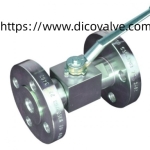


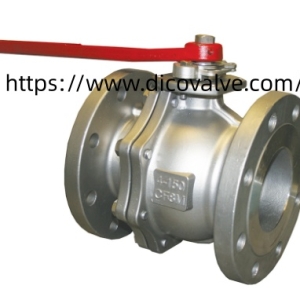
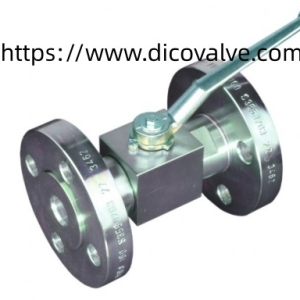
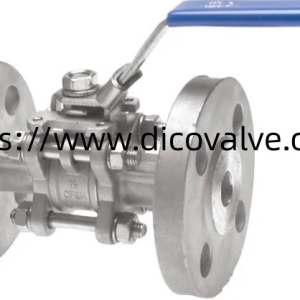
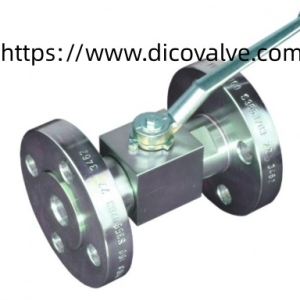
High Pressure Flanged Ball Valves require careful assessment of operating conditions, material compatibility, connection dimensions, and sealing arrangements before purchase. For industrial buyers, a structured evaluation helps clarify project requirements and supports communication with manufacturers. Instead of comparing quotations based on cost alone, procurement teams should review technical documents, manufacturing procedures, and delivery arrangements to determine whether a proposed configuration fits the intended application.
Define the Application Requirements
Start by collecting information about the pipeline, process equipment, and working environment. Important details include the type of fluid, normal operating conditions, temperature range, flow requirements, and expected operating frequency. These factors help engineers assess which product configuration may be appropriate.
Buyers should also identify relevant industry standards and project specifications. Some installations require particular dimensions, material grades, inspection records, or testing procedures. Providing these requirements during the initial inquiry gives the manufacturer a clearer basis for preparing a quotation.
For projects involving changing operating conditions, explain the expected variations rather than providing only a typical working value. This helps the technical team identify potential compatibility concerns and clarify any limitations before an order is confirmed.
Evaluate Material Compatibility
The materials used in the body, stem, internal components, and seals can influence corrosion resistance, durability, and maintenance requirements. Buyers should consider the fluid composition and any exposure to moisture, chemicals, or environmental contaminants.
For example, a system handling clean water may have different material requirements from one transporting an oil-based fluid or a chemically active medium. The selection should reflect the actual application rather than relying on a general product description.
Sealing components deserve particular attention because their properties can affect leakage control and operating performance. Ask about available materials, applicable temperature ranges, and compatibility with the intended medium. Where project documentation requires traceability, confirm whether supporting material records can be supplied.
Confirm Flange and Installation Dimensions
Connection details should be verified before production begins. Buyers need to check nominal size, flange dimensions, facing type, drilling pattern, and the applicable connection standard. These specifications should match the pipeline design or the equipment being replaced.
Installation conditions also matter. Consider the available space, actuator clearance, access for inspection, and room required for future maintenance. When replacing an existing component, compare product drawings with actual installation measurements to reduce the possibility of fitting issues.
If a project calls for a particular standard or a customized configuration, state this clearly in the inquiry. Request written confirmation of the agreed dimensions and configuration so that purchasing documents, production records, and delivered goods remain consistent.
Ask About Manufacturing and Inspection
Understanding the manufacturing process helps buyers assess whether a proposed product aligns with project requirements. Useful questions cover machining, assembly, inspection stages, and procedures for checking finished components against approved specifications.
Buyers should identify which inspection documents are needed before placing an order. Depending on the application, these may include material certificates, dimensional inspection reports, test records, and product identification details. Confirming document availability in advance can prevent delays during project acceptance.
It is also worthwhile to discuss how the manufacturer handles nonconforming products. Ask how concerns are recorded, what evidence may be required, and how corrective actions are communicated. A clear procedure supports cooperation if a discrepancy arises during inspection or after delivery.
Compare Quotations on an Equal Basis
A useful quotation should clearly identify the product configuration, materials, accessories, inspection scope, packaging, quantity, and delivery terms. Comparing offers with different specifications can produce misleading cost assessments.
Buyers should also confirm whether customization, additional documentation, or special packaging affects the quoted amount. Production schedules need to align with installation milestones, so discuss expected lead times and shipping arrangements before issuing a purchase order.
For repeat orders, consistency in specifications and documentation can simplify procurement. Maintaining approved drawings, material requirements, and inspection criteria gives both parties a reference for future transactions and helps reduce repeated clarification.
Prepare a Clear Inquiry
Before contacting a manufacturer, organize the information needed for a technical review. A practical checklist includes:
Fluid type and working temperature.
Required size and connection standard.
Body and sealing material preferences.
Applicable inspection and documentation requirements.
Order quantity and customization details.
Expected delivery date and shipping arrangements.
A complete inquiry makes it easier for the manufacturer to evaluate the request and respond with relevant information. It also helps purchasing teams compare quotations consistently and coordinate decisions with engineering staff.
For industrial buyers reviewing product options, dicovalve offers product information to support discussions about materials, configurations, and project requirements. Prepare your operating details and connection specifications before making an inquiry, then visit https://www.dicovalve.com/ to review available options and discuss a configuration suited to your application.