
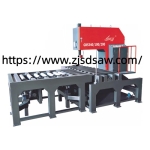

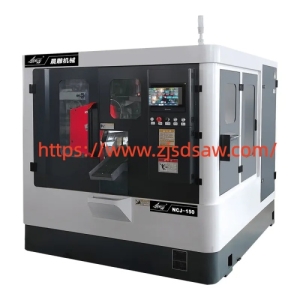
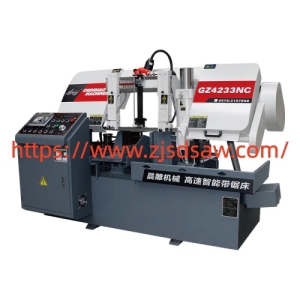
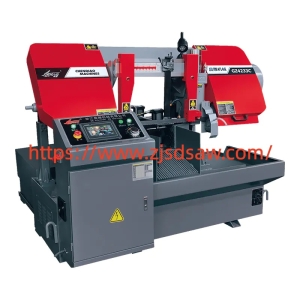
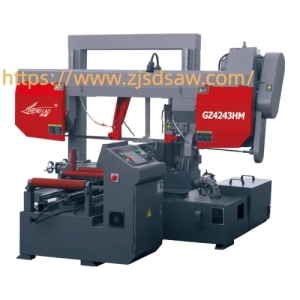
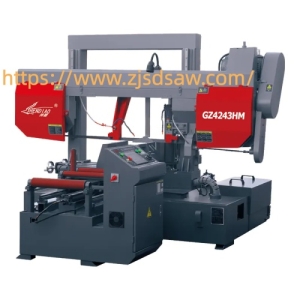
Vertical Metal Cutting Band Saw Machine selection requires careful consideration of production requirements, material dimensions, operating conditions, and long term maintenance. For manufacturers handling different workpieces, purchasing decisions can influence workflow organization, dimensional consistency, and operating expenses. Chendiao offers industrial processing equipment for businesses evaluating practical solutions for their manufacturing operations. Understanding the essential specifications before placing an order helps buyers identify equipment that fits their workshop needs and production plans.
Every workshop has different priorities. Some businesses handle small batches of customized components, while others process recurring orders for industrial parts. Before comparing equipment models, buyers should identify their primary applications and estimate their typical daily workload. This information helps narrow the available options and makes supplier discussions more productive. A clear understanding of production needs also helps prevent unnecessary expenditure on functions that may not contribute to everyday operations.
Material compatibility deserves particular attention during the selection process. Different alloys, solid bars, plates, tubes, and structural profiles require appropriate operating parameters and suitable blade configurations. Buyers should prepare a list of frequently processed materials and identify the dimensions of their largest workpieces. Reviewing these details with the manufacturer helps determine whether the proposed equipment can accommodate the intended applications. Material hardness, thickness, and shape can also influence blade selection, operating speed, and processing time.
Available working space is another important consideration. Equipment must fit the workshop layout while leaving sufficient room for loading, unloading, and positioning workpieces. Operators need convenient access to controls and inspection points, while maintenance personnel require enough clearance to perform routine servicing. Before ordering, businesses should confirm the overall dimensions, installation requirements, electrical specifications, and transportation arrangements. These checks help simplify installation planning and reduce the likelihood of unexpected facility modifications.
Blade specifications can influence dimensional consistency, surface quality, and ongoing operating expenses. Buyers should examine compatible blade widths, tooth configurations, replacement availability, and recommended operating conditions. Different materials may require different blade designs, so a single configuration may not suit every application. Maintaining suitable blade tension and following the manufacturer's operating instructions can help reduce unnecessary wear. Businesses should also consider how easily replacement components can be obtained when planning their purchasing budgets.
Operating controls deserve equal attention. Depending on the intended application, manufacturers may offer manual adjustment, variable speed settings, programmable functions, or powered workpiece feeding. The appropriate configuration depends on production frequency, operator experience, and the complexity of individual jobs. Workshops handling frequent repeat orders may benefit from consistent settings, while businesses managing varied custom projects may value straightforward adjustments. Buyers should request clear explanations of available functions and verify that operators can use them effectively.
Safety arrangements should be reviewed before any purchase. Protective guards, emergency stop functions, stable workpiece support, and accessible operating controls contribute to responsible workshop practices. Employees should receive appropriate training before operating unfamiliar equipment. Written procedures can help staff understand setup requirements, routine inspections, and responses to unusual operating conditions. Buyers should also check the documentation supplied with the equipment and confirm that the proposed configuration meets applicable workplace requirements in the destination market.
Maintenance planning can affect the total cost of ownership over time. Regular inspection of blades, drive components, electrical connections, and lubrication systems helps identify developing problems before they disrupt scheduled work. Buyers should ask about recommended service intervals, commonly replaced parts, warranty coverage, and technical assistance. Access to clear documentation and suitable replacement components can make routine servicing easier to organize. These considerations are particularly relevant to businesses that depend on predictable production schedules.
Cost evaluation should extend beyond the initial quotation. Installation, operator training, energy consumption, consumables, maintenance, and potential downtime all contribute to operating expenses. Comparing these factors across suitable configurations provides a more complete picture of the investment. It is also helpful to request a detailed quotation that identifies standard equipment, optional accessories, delivery arrangements, and after sales services. Transparent specifications make it easier to compare proposals against actual business requirements.
Before finalizing an order, buyers can prepare representative workpiece drawings, material grades, required tolerances, and estimated production quantities. Sharing these details allows the supplier to assess application suitability and clarify any technical limitations. A practical discussion about expected workloads, available space, and maintenance arrangements can also help establish realistic operating expectations. Careful preparation makes the purchasing process more organized and supports informed decisions.
For manufacturers planning to upgrade their workshop capabilities, Chendiao provides industrial equipment options that can be evaluated according to application requirements, operating conditions, and investment plans. Reviewing specifications and discussing individual production needs with a qualified supplier can help businesses identify a suitable configuration for their operations. Visit https://www.zjsdsaw.com/ to review the company's product offerings and connect your equipment selection with your workshop requirements and future manufacturing plans.