

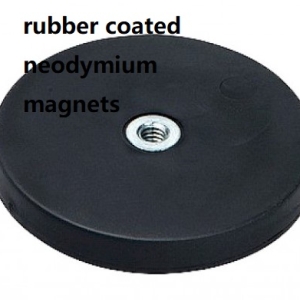
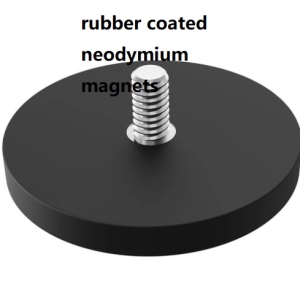
Small components can make a noticeable difference in how a finished product works. From organizing tools to developing compact accessories, a Round Permanent Magnet can help designers create useful magnetic functions without adding complicated mechanisms. When selecting a Round Permanent Magnet, manufacturers should consider the intended task, available installation space, surrounding materials, and expected service conditions. Understanding these practical details makes it easier to choose a component that fits the design and supports a consistent manufacturing process.
Simplify Storage and Organization Solutions
Magnetic features can make storage products more convenient by helping keep selected items in position. Depending on the design, round magnets may be incorporated into organizers, tool holders, cabinet accessories, display fixtures, and small storage systems. Their circular form gives product developers flexibility when planning mounting locations and arranging components.
For successful integration, designers should consider the weight and material of the item being held. The distance between the magnet and the target surface can also affect attraction. A prototype allows manufacturers to check whether the proposed arrangement works as expected before committing to a complete production run.
Improve Positioning in Compact Assemblies
Some products need parts to align repeatedly during use. A magnetic component may help guide a removable cover, position an accessory, or support a simple closing mechanism. These applications require careful planning because the magnet must work with the movement and structure of the surrounding parts.
Designers should decide where the magnet will sit and how it will interact with nearby components. A recessed mounting point may help keep it aligned, while a suitable holder can reduce unwanted movement. Testing the assembly from different angles can reveal whether the design feels natural and functions consistently during everyday use.
Explore Product Options With ML Magnet
Choosing a supplier becomes easier when the project requirements are clearly defined. ML Magnet provides a starting point for buyers researching magnetic components for product development and manufacturing applications. Before making an inquiry, purchasers can prepare information about the desired shape, dimensions, quantity, and intended use.
It is also useful to describe any restrictions affecting the final product. Limited installation space, contact with moisture, temperature changes, or repeated handling may influence the selection. Clear information helps suppliers understand the application and allows buyers to compare potential options according to relevant requirements rather than appearance alone.
Evaluate Durability Before Installation
The service life of a magnetic component depends on its material, working environment, and installation method. Some magnets are relatively brittle and can be damaged by impacts, excessive pressure, or careless handling. A protective enclosure or properly designed mounting structure may help reduce these risks in products that experience frequent use.
Environmental conditions also deserve attention. Buyers should consider temperature exposure, humidity, corrosion risks, and contact with other materials. Where the product will operate under demanding conditions, testing representative samples can help identify potential weaknesses before manufacturing begins. Practical evaluation is more useful than assuming that one magnet will suit every application.
Make Product Purchasing More Predictable
A clear specification helps purchasing teams reduce confusion and maintain consistency across orders. Important details include dimensions, material type, acceptable tolerances, quantity, packaging, and any required inspection procedures. Keeping this information documented makes it easier to compare supplier proposals and reorder components for future production.
Before confirming a large purchase, consider checking a sample within the actual product assembly. This provides an opportunity to evaluate fit, alignment, magnetic interaction, and ease of installation. By combining careful planning with realistic testing, manufacturers can make decisions that support their design goals and production needs. To explore available products and learn more about suitable options, visit https://www.mlmagnet.com/ and prepare the requirements for your application.