

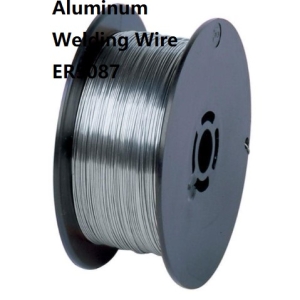
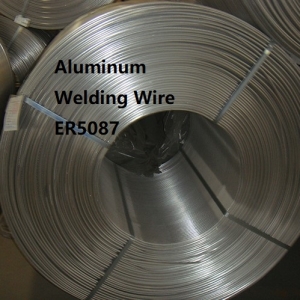
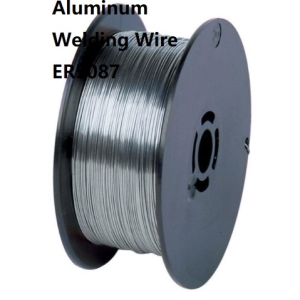
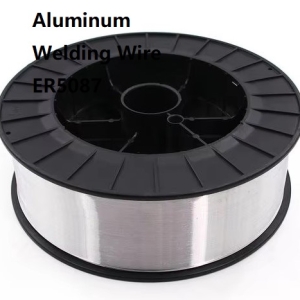
Global ferry traffic surges and coastal nations expand patrol fleets faster than steel can be delivered. Yards respond with aluminum hulls that shave tons off displacement while carrying more passengers or equipment than ever. These ambitious vessels push 5xxx plate into territory where ordinary filler metals quietly reach their limits. Aluminum Welding Wire ER5087 moves from occasional alternative to specified material the moment structural demands cross familiar boundaries.
High-speed passenger ferries set the clearest example. Routes that once accepted thirty knots now demand forty-five and above. Longer, lighter catamarans achieve those speeds only by reducing plate thickness in non-critical areas while keeping safety margins intact. Wave slamming increases dramatically with speed, transferring higher cyclic loads into every weld. Standard 5xxx fillers deliver acceptable static strength but begin showing fatigue cracks in tunnel structures and cross-decks after a few seasons. The higher magnesium content in ER5087 restores joint efficiency close to parent metal, allowing designers to maintain thin sections without adding local reinforcement that kills performance.
Large superyachts follow the same weight-saving logic on a grander scale. Owners request extended range and larger tenders, forcing naval architects upward and outward with aluminum superstructures. Every kilogram saved high in the vessel improves stability and reduces ballast. Deck beams and longitudinal stiffeners operate nearer their allowable stress limits than previous generations tolerated. ER5087 provides the post-weld tensile and yield values that let classification societies sign off on reduced scantlings while keeping safety factors intact.
Ice-capable patrol and research vessels create another distinct category. Waterline belts must resist abrasion and impact in freezing conditions while surviving decades of saltwater exposure. Standard wires lose ductility at low temperature and corrode faster once ice damages paint. The balanced chemistry of ER5087 maintains toughness down to service temperature and forms a more adherent oxide layer that slows chloride attack even when the coating is breached.
Conversion projects from steel to aluminum workboats reveal the switch point dramatically. Pilot associations and offshore support companies run cost studies showing aluminum vessels spend far less on fuel and maintenance. The transition only works when welds match or exceed modern 5083 properties. Older 5xxx fillers leave joints softer than current plate specifications. ER5087 eliminates that weak link from day one.
Military fast-attack craft add shock loading to the equation. Vessels expected to operate at high speed in rough seas while carrying heavy weapons experience dynamic stresses beyond commercial rules. Qualification programs include drop tests and explosion simulations that ordinary welds sometimes fail. The enhanced mechanical properties of ER5087 routinely clear those hurdles without forcing designers back to thicker plate.
Modular construction techniques accelerate many programs. Large aluminum blocks built in covered halls arrive for final closure welds on open slipways. Temperature swings and fit-up variations challenge standard wires. The wider parameter window and stable arc characteristics of ER5087 simplify site welding while delivering consistent properties across shop and field conditions.
Green-fuel ferries carrying methanol or hydrogen push boundaries again. Lightweight aluminum maximizes revenue payload when tanks take up hull volume. Structural weight directly affects passenger or vehicle capacity. Welds become critical path items in weight calculations. ER5087 allows engineers to minimize section thickness in compensated areas while staying inside classification society rules.
Repair and life-extension work sometimes forces the decision fastest. Older high-speed craft return with fatigue cracking around original welds made with earlier filler metals. Surveyors frequently require replacement joints to exceed original performance. Using current-generation ER5087 prevents the same failure pattern from restarting.
The common thread across all these applications is simple: the moment the structure refuses to accept any compromise in joint strength, corrosion behavior, or fatigue life, standard 5xxx fillers become the limiting factor. ER5087 removes that limit without forcing major redesign. Naval architects and welding engineers planning tomorrow's aluminum vessels can see real project examples at www.kunliwelding.com . The site gathers application photographs from fast ferries, large yachts, ice-class patrol boats, and green-fuel carriers, all welded with Aluminum Welding Wire ER5087.