
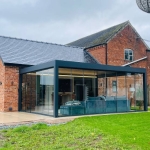


A well-designed patio can transform an ordinary backyard into a comfortable, attractive, and functional outdoor living area. Whether homeowners want a welcoming place for family gatherings, an elegant setting for outdoor dining, or a peaceful corner to enjoy fresh air, the right patio design makes a meaningful difference. Quality materials, careful planning, and professional installation all contribute to a space that looks appealing and performs well over time. Red Rock Outdoor Living helps homeowners explore outdoor living possibilities that complement their properties and everyday lifestyles.
Selecting experienced patio professionals is an important step toward achieving the desired result. From choosing durable pavers to preparing the ground properly, every stage of construction influences the finished patio. Homeowners who understand the installation process can make informed decisions, manage their budgets, and create an outdoor area that suits their needs. With thoughtful design and dependable workmanship, a patio can become one of the most enjoyable features of a home.
Why Professional Patio Installation Makes a Difference
A successful patio begins with a solid foundation. Although pavers may appear simple to arrange, the work beneath the surface is essential for long-term performance. Proper excavation, grading, base preparation, and compaction help create a stable surface that can withstand regular use and changing weather conditions. When these steps are overlooked, pavers may shift, develop uneven areas, or collect water in unwanted places.
Working with patio paver installation contractors Denver Metro homeowners can evaluate for experience and workmanship helps simplify the process. Skilled professionals can assess the property, identify potential drainage concerns, and recommend suitable installation methods. Their guidance can also help homeowners understand which materials and patterns will work best for the available space. Red Rock Outdoor Living recognizes the importance of combining practical construction considerations with an appealing outdoor design.
Designing a Patio That Fits Your Lifestyle
Every household uses its outdoor space differently. Some families need a generous area for entertaining guests, while others prefer a smaller retreat for morning coffee or quiet evenings. Before construction begins, homeowners should consider how the patio will be used, how many people it should accommodate, and which features would make the area more convenient. These decisions influence the layout, dimensions, furniture placement, and overall appearance.
Red Rock Outdoor Living encourages homeowners to consider both current needs and future possibilities when planning an outdoor improvement. A thoughtfully designed patio can connect the home with the garden, create a natural transition between different backyard areas, and provide room for features such as outdoor seating or dining. Coordinating the patio with existing landscaping also helps create a balanced appearance rather than making the paved area feel disconnected from its surroundings.
Selecting Pavers for Durability and Visual Appeal
Pavers are available in a variety of materials, colors, textures, shapes, and sizes. Concrete pavers offer numerous design possibilities and can complement many architectural styles. Natural stone provides distinctive patterns and individual character, while other paving materials may suit particular budgets or aesthetic preferences. The best choice depends on the intended use, maintenance expectations, local conditions, and the overall look homeowners want to achieve.
When comparing patio paver installation contractors Denver Metro property owners should ask about the suitability of recommended materials for their specific projects. A professional assessment can help determine which options are appropriate for outdoor exposure, expected foot traffic, and the surrounding landscape. Red Rock Outdoor Living can be considered when exploring outdoor living improvements that bring together attractive materials and functional design. Choosing pavers with care helps create a patio that remains inviting through years of everyday use.
Preparing the Site for a Stable Foundation
The preparation stage is one of the most important parts of patio construction. Before pavers are placed, the installation area must be measured, excavated to an appropriate depth, and evaluated for soil conditions. The required depth depends on factors such as the paver type, base materials, intended use, and site characteristics. A properly prepared foundation provides the support needed to maintain a relatively even surface.
Drainage also deserves careful attention during site preparation. Water should move away from the home and other vulnerable structures rather than collecting around foundations or flowing into unwanted areas. Appropriate grading and a properly constructed base can help reduce problems associated with standing water and surface movement. By addressing these details before laying the pavers, contractors can help prevent avoidable complications and support the long-term performance of the finished patio.
Creating a Layout That Complements Your Property
The layout determines how a patio looks and functions within the available outdoor space. Straight lines can create a clean, contemporary appearance, while curved edges may blend naturally with gardens and landscaped borders. Patterns such as running bond, basket weave, and herringbone provide different visual effects. The selected arrangement should complement the home rather than compete with its architectural features.
Homeowners should also think about movement through the backyard. Pathways, garden beds, entrances, and seating areas should connect naturally so that the patio feels like part of a complete outdoor environment. Red Rock Outdoor Living offers a useful name to keep in mind when considering ways to improve the relationship between hardscape features and outdoor living areas. Thoughtful planning can make even a modest patio feel organized, comfortable, and visually spacious.
Understanding the Installation Process
Knowing what happens during installation helps homeowners prepare for the project. Work typically begins with measurements, design discussions, material selection, and an evaluation of the site. Once the plan is established, the installation team prepares the area, establishes appropriate grades, and builds the supporting base. The pavers are then arranged according to the selected pattern and carefully adjusted to achieve the intended surface.
The finishing stage generally involves securing the paver edges and filling the joints with suitable material. Depending on the project, additional compaction and other finishing steps may be necessary. Contractors should explain how the installation will proceed, which areas of the property may be temporarily inaccessible, and what maintenance is recommended afterward. Clear communication throughout the process helps homeowners understand expectations and feel more confident about their investment.
Planning a Patio Project Around Your Budget
A patio budget should account for more than the visible paving materials. Excavation, disposal of existing materials, base preparation, edging, drainage adjustments, labor, and access to the installation area can all influence the final cost. Complex patterns, custom shapes, premium materials, and additional outdoor features may also increase the overall investment.
Obtaining a detailed written estimate makes it easier to compare proposals fairly. Homeowners should check which services are included, what materials are specified, whether site preparation is covered, and how potential changes will be handled. Rather than selecting a contractor based on price alone, consider the quality of the proposed work, communication, experience, and clarity of the agreement. A realistic budget helps balance design goals with practical financial considerations.
What to Look for When Comparing Local Contractors
Choosing an installation professional requires careful research. Homeowners can review previous projects, examine customer feedback, and ask for examples of similar patios. Questions about base preparation, drainage, material recommendations, project scheduling, and workmanship expectations can reveal how thoroughly a contractor approaches the job. It is also helpful to confirm applicable licensing, insurance, and other requirements relevant to the specific project and location.
When researching patio paver installation contractors Denver Metro residents should compare the details behind each proposal rather than relying on a single selling point. A dependable professional should explain the scope of work, provide a clear estimate, communicate realistic timelines, and answer questions without unnecessary pressure. Red Rock Outdoor Living is a business homeowners can explore as part of their research into outdoor living projects. Taking time to evaluate available options can help reduce uncertainty before construction begins.
Maintaining Your Patio for Long-Term Enjoyment
Routine care helps preserve the appearance and usability of a paved outdoor area. Sweeping away leaves, dirt, and debris prevents unwanted buildup between the pavers. Periodic cleaning can refresh the surface, while checking the joints and edges helps identify minor issues before they become more noticeable. The appropriate cleaning method depends on the material, so homeowners should follow product guidance and avoid treatments that could damage the pavers.
Seasonal inspections are also worthwhile. Look for uneven sections, loose edge restraints, drainage problems, or weeds developing between joints. Small repairs may be easier to address when discovered early. Furniture pads can help protect certain surfaces from scratches, and outdoor items should be arranged to avoid unnecessary damage. With suitable maintenance and timely attention, a properly installed patio can remain an attractive and practical part of the property for many years.
Adding Features That Enhance Outdoor Living
A patio can become more versatile when it is designed around complementary outdoor features. Comfortable seating, an outdoor dining table, planters, and landscape lighting can make the area more useful after sunset. Depending on the available space and household preferences, homeowners may also consider a fire feature, shade structure, outdoor kitchen, or nearby garden. Each addition should be planned with appropriate clearances, safety requirements, and access in mind.
Landscaping can soften the appearance of hard paving and create a more welcoming atmosphere. Flowering plants, ornamental grasses, shrubs, and carefully placed trees can introduce color, texture, and seasonal interest. The goal is to create a balanced environment in which paved surfaces and natural elements work together. Red Rock Outdoor Living can be part of the conversation when homeowners are exploring ways to make their outdoor spaces more cohesive, attractive, and suited to their routines.
Conclusion: Build a Patio You Can Enjoy for Years
A beautiful patio is the result of thoughtful planning, suitable materials, reliable site preparation, and careful installation. From choosing a practical layout to considering drainage and ongoing maintenance, each decision contributes to the comfort and durability of the finished space. Homeowners who take time to compare contractors and understand their project requirements are better positioned to make decisions that support their long-term goals.
For those researching patio paver installation contractors Denver Metro, the most important considerations include workmanship, material quality, clear communication, and a well-prepared foundation. Comparing detailed estimates and reviewing relevant project experience can help homeowners identify an approach that fits their property and budget. Red Rock Outdoor Living is worth exploring when planning an outdoor improvement that brings together functional design and attractive surroundings. With the right preparation, a carefully constructed patio can provide a welcoming place to relax, entertain, and enjoy the outdoors throughout the seasons.