
Introduction
A meal can bring plenty of color to the table before you add any decorations. Fresh salads, roasted vegetables, fruit platters, pasta dishes, and colorful desserts all contribute to the overall appearance of a dining setting. The napkins you choose can complement these colors or provide a neutral background that allows the food to stand out.
Cloth napkins are useful for creating a table that feels coordinated without competing with the meal. By considering food colors, fabric, and the rest of your tableware, you can create a practical setting for everyday dinners, weekend lunches, and meals with guests.
Consider the Main Colors on Your Menu
Before choosing napkins, think about the dominant colors in the food you plan to serve. You do not need to match each dish, but considering the overall palette can help you select a suitable shade.
For a meal featuring green salads, herbs, and roasted vegetables, cream, white, or muted beige napkins can create a calm background. If the menu includes tomato-based pasta, berries, or red peppers, gray or natural-colored napkins can balance the brighter shades.
Meals with colorful fruit, vibrant desserts, or several shared dishes may benefit from simple napkins that do not introduce too many competing colors.
A useful approach is to choose one or two supporting shades rather than trying to coordinate every dish individually.
Use Neutral Napkins When the Food Is the Focal Point
When food is arranged with care, the table setting should support its presentation rather than distract from it.
White cotton napkins can work well with colorful meals because they provide a clean, familiar contrast. Cream, light gray, and natural beige are also versatile options for tables featuring several bright ingredients.
For example, a lunch with green salad, sliced tomatoes, and fresh bread can look balanced with neutral napkins, plain dinnerware, and simple glassware.
Neutral napkins are especially helpful when you serve several dishes at once. They connect different food colors without making the overall arrangement feel too busy.
Add a Coordinated Accent Color
Neutral napkins are not the only option. A carefully chosen accent color can connect the table setting to the menu.
Sage green may complement meals featuring fresh herbs or vegetables. Muted blue can provide contrast against warm-colored dishes, while terracotta or rust can work well with roasted vegetables and rustic bread.
The goal is not to make the napkins look like part of the food. Instead, choose a color that works comfortably with the meal's overall palette.
If the food already contains several strong colors, keep the napkin shade understated. For a simple menu with neutral ingredients, a more noticeable napkin color can introduce extra character.
Choose Fabrics That Suit the Meal
Color is only one consideration when selecting dinner napkins. The fabric should also fit the occasion and the way you plan to use the table.
Cotton napkins are a practical choice for everyday meals, particularly when the menu includes sauces, dressings, or foods that may leave marks. Having several washable napkins available can make cleanup easier.
Linen napkins can provide a naturally textured appearance for meals where presentation matters, such as a weekend dinner or a gathering with friends. They pair well with ceramic plates, wooden serving boards, and simple centerpieces.
Consider the care instructions, fabric feel, and frequency of use before deciding which style works best for your household.
Balance Colorful Food With Patterned Dinnerware
The meal is not the only source of color on the table. Patterned plates, printed tablecloths, and decorative serving dishes can all influence which napkins look appropriate.
If your dinnerware features floral patterns, colored rims, or detailed illustrations, solid-colored napkins can provide visual balance. Choose a shade already present in the plates or select a neutral that complements them.
When using plain white or beige dinnerware, you have more freedom to experiment with subtle stripes, small checks, or simple botanical patterns.
Avoid combining too many bold designs in one place setting. A table can feel coordinated even when only one element carries a noticeable pattern.
Think About Sauces, Dressings, and Food Stains
A colorful meal may also involve ingredients that are likely to leave visible marks. Tomato sauce, berry juice, salad dressing, and brightly colored spices can stain fabric if they are not treated promptly.
For meals where spills are more likely, choose napkins that are comfortable to wash and maintain. Mid-tone shades or small patterns may make minor marks less noticeable than very pale fabrics, although no color guarantees that stains will be hidden.
Keep fabric care instructions in mind and treat stains according to the material's requirements. Avoid leaving heavily soiled napkins in a pile for extended periods.
Having extra cloth napkins nearby is helpful when serving dishes with sauces or dressings, especially during relaxed family meals.
Keep the Fold Simple and Functional
A colorful meal already creates visual interest, so napkin folds can remain straightforward.
For everyday dining, fold each napkin into a rectangle or square and place it beside the plate. This keeps it easy to reach without taking up much room.
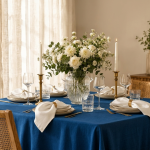
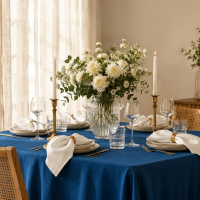
For a dinner with guests, place a neatly folded napkin on top of each plate. If you use napkin rings, choose a simple design that complements the tableware rather than adding another competing pattern.
The napkin should be easy to pick up and unfold. A practical arrangement is often more useful than an elaborate fold, particularly when the table holds shared platters and serving bowls.
Match Napkins to Different Types of Meals
You can adjust your napkins to suit the kind of food being served without purchasing a separate collection for every menu.
-
Fresh lunches: White, cream, or sage napkins work well with salads, sandwiches, and fruit.
-
Pasta dinners: Neutral or medium-tone napkins can balance colorful sauces and side dishes.
-
Grilled meals: Cotton napkins in practical colors can suit relaxed dining and foods served with dips or marinades.
-
Dessert gatherings: Light napkins can complement cakes, pastries, and fruit while keeping the presentation simple.
-
Family-style dinners: Choose easy-to-wash fabrics and keep a few extras accessible for shared dishes.
These combinations are flexible starting points. Your dinnerware, table surface, and personal preferences should guide the final choice.
Add Personal Details Without Overcrowding the Table
If you are hosting a special meal, custom napkins can add a personal touch. A subtle monogram, small motif, or coordinated design can complement the table without competing with the food.
Choose a fabric color that works with both the dinnerware and the menu. For a meal with bright dishes and a decorative centerpiece, understated personalization is usually enough.
For everyday use, a small collection of reusable napkins in complementary colors can provide similar flexibility without requiring a special setup for each meal.
Conclusion
Colorful food can be the natural centerpiece of a dining table. The right cloth napkins help support that presentation by providing contrast, adding texture, and keeping the setting practical.
Cotton napkins are useful for everyday meals and menus that may involve spills, while Linen napkins can bring a textured finish to a more carefully arranged table. Custom napkins offer a personal detail for gatherings without requiring elaborate decoration.
All Cotton and Linen offers reusable napkin options that can complement a range of dinnerware styles and meal presentations, making it easier to create a welcoming table for everyday dining and special occasions.