


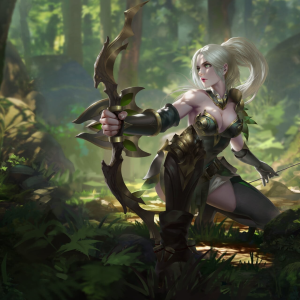



Progress in MapleStory Classic World often comes down to a series of small decisions rather than one spectacular boss fight. Should you spend another hour hunting for a better weapon, save your drops for crafting, or return to town and compare equipment prices? These choices become more important as your character grows and each upgrade starts to demand more planning. Managing MapleStory Classic World Mesos alongside experience, potions, and equipment costs helps you build a routine that feels rewarding without turning every hunting session into a financial emergency.
Find the Right Balance Between Leveling and Loot
There is a familiar moment in classic MMORPGs when you defeat the same monster for the hundredth time and start wondering whether the experience is still worth it. Your character is progressing, but your inventory is filling with ordinary drops, your potions are disappearing, and the next level still seems a long way off.
This is a good time to review your training location.
The strongest monster you can defeat is not necessarily the best target. A useful hunting area should provide a reasonable balance between experience, combat difficulty, travel time, and consumable costs. If you spend too much time recovering or moving between enemies, the impressive experience reward from an individual kill may not translate into efficient overall progress.
Try evaluating your hunting area over a consistent period. Record how much experience you gain, how many potions you consume, and which drops you collect. Repeat the test in another suitable location and compare the results.
| Hunting factor | What to look for | Why it helps |
|---|---|---|
| Combat speed | Monsters you can defeat consistently | Keeps experience flowing |
| Map layout | Convenient access to multiple targets | Reduces unnecessary movement |
| Recovery costs | Manageable HP and MP consumption | Leaves more resources for future sessions |
| Item drops | Materials with practical uses | Adds value to ordinary hunting |
| Map traffic | Enough available monsters for your route | Prevents competition from disrupting your rhythm |
The results may surprise you. A quieter map with slightly weaker enemies can sometimes provide a more comfortable training session than a crowded location that everyone recommends.
Turn Your Class Strengths Into a Better Routine
Every class approaches combat differently, so a training method that works for one character may feel inefficient for another.
Warriors generally benefit from understanding how much damage they can sustain while fighting at close range. Their routine should account for enemy positioning, health management, and the time needed to reach the next target.
Magicians need to pay particular attention to MP consumption. A powerful spell can shorten a fight, but repeatedly using expensive skills against weak monsters may waste resources. Learning when ordinary attacks are sufficient and when a skill is worth the cost can make a noticeable difference over a long session.
Bowmen should take advantage of suitable attack positions and learn how to maintain a comfortable distance from approaching enemies. Thieves, meanwhile, should consider their attack patterns, skill costs, and equipment requirements when choosing targets.
Rather than copying another player's entire setup, borrow the principle behind it. If someone recommends a training area because its monsters are easy to group together, look for a similar layout that suits your own level and class.
A short experiment is often more useful than following a popular recommendation without checking whether it fits your character.
Make Equipment Upgrades Solve Real Problems
Equipment progression can become expensive when players focus on improving every available slot at once. A new weapon looks appealing, better armor promises greater survivability, and accessories can offer another tempting improvement. Before long, the shopping list becomes longer than the amount of money available.
The solution is to prioritize upgrades according to their actual effect on gameplay.
Start with the weakness that causes the most trouble. If ordinary monsters take too long to defeat, improving your weapon may be the best investment. If you regularly need to retreat because your character cannot survive a difficult encounter, defensive equipment or a better supply strategy may deserve attention first.
Use this checklist before committing to a purchase:
• Identify the problem you want the new item to solve.
• Compare the item with your current equipment.
• Check whether its level and stat requirements suit your character.
• Calculate the cost without using money reserved for essential supplies.
• Consider whether another level milestone will soon unlock a more appropriate option.
Enhancement scrolls deserve special caution. Their results can vary, and some upgrade systems involve a risk to the item being enhanced. Expensive equipment should not become an experiment simply because you have a scroll available. Understand the relevant mechanics and the potential consequences before attempting a costly improvement.
A modest upgrade that reliably improves your training efficiency can be more valuable than an ambitious enhancement attempt that leaves you without a usable weapon.
Use Quests to Reduce Wasted Travel
Questing is most efficient when several objectives can be completed during the same trip. Accepting one task, traveling across the island, returning to town, and immediately repeating the journey for another task can consume a surprising amount of time.
Before leaving town, check which quests are available and group them by location. If two objectives involve the same general hunting area, complete them together whenever the requirements allow it.
A practical questing plan follows four steps.
First, review the objectives and identify the required monsters, items, or destinations. Second, prepare enough supplies for the combined trip. Third, collect quest materials while gaining experience rather than making separate farming runs. Finally, return to town when multiple objectives are ready to turn in or your inventory needs attention.
This approach also helps you avoid collecting unnecessary items. Quest drops have a clear purpose, but miscellaneous materials can quickly occupy limited inventory space. Before keeping a large quantity of anything, consider whether it supports a quest, a crafting plan, or a realistic trading opportunity.
Understand the Value of Monster Drops
Monster drops are one of the easiest ways to connect combat with equipment progression and trading. However, an item does not become valuable simply because it is uncommon.
Its usefulness depends on what other players need, whether it has a crafting application, and how much supply is already available in the market. A common material required by several recipes may be more practical to collect than a rare item with few interested buyers.
| Type of drop | Possible use | Recommended approach |
|---|---|---|
| Quest materials | Completing objectives | Keep the amount required for active quests |
| Crafting components | Producing useful equipment | Check recipes before collecting large quantities |
| Equipment drops | Replacing or selling gear | Compare their stats with current equipment |
| Ordinary loot | Recovering some value from hunting | Sell when practical and avoid unnecessary clutter |
| Unfamiliar materials | Potential future use | Investigate their purpose before storing large amounts |
The Free Market adds another dimension to this process. Players can browse individual shops, compare offers, and use direct trading to obtain items they would rather not farm themselves.
Take time to inspect several shops before making an expensive purchase. Prices can vary, and the first available offer is not necessarily the most reasonable one. If you are selling an item, look at comparable listings before choosing a price. An unrealistic asking price may leave an item sitting in your inventory long after the initial excitement of finding it has disappeared.
Build a Sustainable Mesos Routine
A reliable economy is built through consistency. You do not need to maximize every possible drop or turn every session into a market analysis exercise. You simply need to make sure your spending does not repeatedly undermine your progress.
Divide your available funds into three practical categories.
| Category | Purpose | Priority |
|---|---|---|
| Hunting supplies | Potions and other recurring expenses | Essential |
| Planned upgrades | Weapons, armor, and useful equipment | Based on need |
| Reserve funds | Unexpected costs and future opportunities | Protect when possible |
The right balance depends on your class and current activities. A character with heavy MP consumption may need to reserve more money for recovery items, while another character might benefit from saving for a specific weapon.
Review your expenses after a few training sessions. If your experience is increasing but your funds are steadily disappearing, investigate whether your current map, skill rotation, or potion usage is the problem. If you are earning useful drops but never selling them, your inventory management may need attention instead.
These small adjustments can make progression feel considerably smoother.
Prepare for Your Next Goal
The most satisfying part of MapleStory Classic World is seeing your character gradually become more capable. A new weapon changes the pace of combat, a well-chosen hunting area makes leveling less frustrating, and a completed quest can open the door to another objective. Each improvement becomes more meaningful when it follows a clear plan.
Before your next session, choose one concrete goal. You might want to reach a particular level, collect the materials for an equipment upgrade, complete several quests in one region, or earn enough money to replace an outdated weapon. Keeping the objective manageable makes it easier to judge whether your current routine is working.
There is no need to rush every decision. Sometimes the smartest move is to keep your current equipment for another few levels, and sometimes an upgrade is worth pursuing immediately because it removes a persistent obstacle. Learning the difference is part of mastering the game's progression systems.
When you are evaluating the time required to prepare for a major purchase, comparing the available options for MapleStory Classic World Mesos for sale can help you weigh convenience against earning the amount through hunting and trading. The important thing is to make the decision around your own goals, budget, and preferred way to play.