
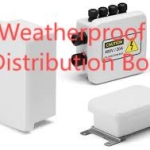





Selecting the right component early in a project prevents costly rework, and specifying a certified Outdoor Electrical Distribution Panel in the middle of design discussions helps ensure correct ingress protection and thermal capacity for equipment enclosures. For sites exposed to rain, dust, temperature swings, or chemical washdowns, choosing a purpose-built Outdoor Electrical Distribution Panel guarantees tested sealing, organized circuitry, and predictable serviceability under real-world conditions.
Design priorities: protection, accessibility, and heat management
A robust outdoor distribution panel must balance weatherproofing with technician access. Engineers prioritize gasket compression, lid clamping arrangements, and hinge durability so seals remain effective through thermal cycling. Internal layout should segregate high-current feeders from sensitive control electronics and provide natural airflow or space for small fans if passive dissipation is insufficient. Thoughtful placement of terminal blocks and DIN rails reduces wiring congestion and speeds troubleshooting.
Materials and finishes for long service life
Material selection affects longevity and maintenance frequency. Powder-coated aluminum and stainless-steel housings resist corrosion in coastal and industrial environments, while reinforced polycarbonate or fiberglass-reinforced polyester provides impact resistance and electrical insulation where metal is undesirable. Fasteners should be stainless or passivated, and elastomeric gaskets must retain elasticity across the operating temperature range to preserve ingress protection ratings over years of service.
Cable entry, glands, and mounting best practices
Correct cable entry preserves the enclosure’s protective capabilities. Use appropriately sized cable glands with built-in strain relief, and torque them to the manufacturer’s specification to maintain sealing. Provide drip loops and route entries to avoid direct water channels into the cabinet. When retrofitting, reinforce or backplate the mounting surface to prevent deformation from repeated access or external impacts, and consider anti-vibration mounts where machinery induces resonance.
Standards, testing, and documentation
Match the panel’s IP and IK ratings to the expected exposure to water and mechanical impact; request independent lab reports for ingress protection, dielectric strength, and salt-spray resistance when needed. Ensure internal components—breakers, busbars, and terminal blocks—carry compatible certifications for current and fault capacities. Include clear labeling, wiring diagrams, and torque values with each delivery to simplify commissioning and future inspections by safety auditors.
Maintenance strategies and lifecycle planning
Regular preventive checks are inexpensive insurance: inspect gasket seating, hinge alignment, and fastener torque at scheduled intervals. Replace soft consumables like seals and vent filters proactively to prevent moisture ingress. Maintain a concise spare-parts list and store common consumables near critical sites to accelerate repairs. For high-duty applications, thermal imaging during peak load reveals hotspots caused by poor contacts or loose terminations, enabling targeted corrective action before failures occur.
Well-specified outdoor distribution panels reduce total cost of ownership by minimizing surprises during installation and simplifying long-term care. Prioritize tested sealing systems, corrosion-resistant materials, and clear internal layouts to improve uptime and technician safety. For comparative technical resources, installation examples, and model guidance, see https://www.nante.com/news/industry-news/outdoor-electrical-distribution-panel-nante.html