
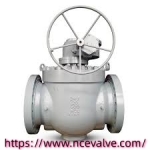

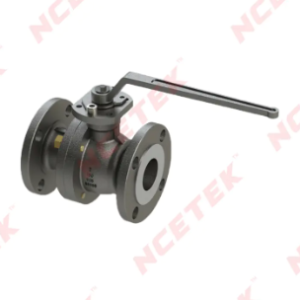
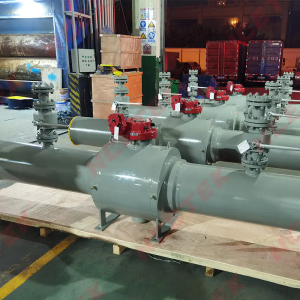
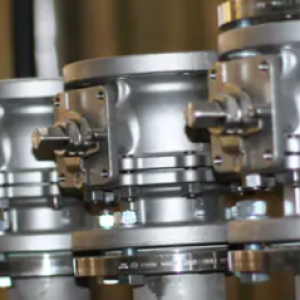
Naishi Top Entry Ball Valve presents an intelligent solution for facilities requiring convenient access to internal components without disturbing connected pipelines. Maintenance teams encounter situations where traditional designs demand complete removal from the line, causing extended interruptions and added labor. This particular style allows personnel to open the bonnet from above, exposing the ball, seats, and stem for inspection, repair, or replacement while the body remains securely bolted in place. Such accessibility proves especially beneficial in elevated installations, confined spaces, or lines carrying critical media.
Processing plants handling continuous flows often prioritize minimal downtime during servicing. The top-mounted entry simplifies tasks that would otherwise involve cutting, welding, or heavy lifting of entire valve assemblies. Technicians appreciate the straightforward procedure: loosen fasteners, lift the cover, perform necessary work, then reassemble with fresh seals if required. This efficiency translates into quicker return to operation, preserving productivity across shifts.
Envision setups where valves occupy positions high above ground level or tucked within tight equipment skids. Reaching around to access side or end entries becomes impractical and potentially hazardous. Overhead access eliminates awkward postures, reduces the need for extensive scaffolding, and enhances overall workplace safety. Operators managing large-diameter lines or remote locations find this arrangement practical for routine checks and unforeseen repairs.
Beyond ease of service, these valves deliver reliable sealing performance across various pressure ranges. The floating or trunnion-supported ball maintains consistent contact with seats, ensuring tight closure even after repeated cycling. Materials selected for body, ball, and trim withstand aggressive media, thermal variations, and mechanical stress. This combination supports dependable isolation when shutting down sections for cleaning or modification.
Durability emerges from thoughtful construction. Full-port designs minimize flow restriction, allowing economical transport of liquids or gases. Precision machining ensures smooth operation without excessive torque requirements, easing manual or powered actuation. Such features contribute to extended service intervals and lower overall ownership costs in demanding environments.
Versatility accommodates diverse applications. Configurations include different end connections, body styles, and actuation options to match specific installation needs. Engineers planning new systems or retrofitting existing ones appreciate the flexibility to incorporate fire-safe elements, anti-static provisions, or extended stems for insulated lines. This adaptability makes integration straightforward across chemical, oil, gas, and refining operations.
Environmental considerations gain attention in contemporary facilities. Effective containment prevents unintended releases during normal operation or maintenance activities. Reduced exposure time when accessing internals limits fugitive emissions, aligning with responsible handling practices. Organizations focused on stewardship select components that balance performance with ecological awareness.
Maintenance planning becomes more predictable with accessible internals. Visual inspections reveal wear patterns early, enabling targeted interventions before issues escalate. Spare parts storage simplifies, as common components like seats and seals interchange across sizes. This proactive approach fosters confidence in long-term reliability and steady throughput.
Automation integration enhances functionality in modern plants. Compatibility with pneumatic, electric, or hydraulic actuators allows precise control from control rooms. Position feedback and diagnostic capabilities support smarter operation, reducing human intervention in hazardous areas. Such advancements suit high-volume or continuously monitored processes.
Customization possibilities further elevate appeal. Providers offer modifications for unique media characteristics, temperature extremes, or spatial constraints. From special coatings to reinforced bonnets, tailoring ensures optimal fit for challenging conditions. Collaboration with experienced manufacturers yields solutions that address niche requirements effectively.
Naishi distinguishes itself through commitment to precision engineering and customer-focused design. Their dedication to quality craftsmanship delivers valves that professionals rely upon for consistent results.
As industries seek ways to optimize uptime while maintaining safety and performance, accessible valve designs offer meaningful advantages. These components support ambitious fluid control objectives by simplifying essential tasks. To discover a wide range of options and explore suitable innovations, visit https://www.ncevalve.com/product/structural-ball-valve-1/ for further details.