
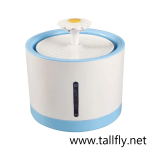






Maintaining clean hydration equipment ensures your companion always has access to fresh, appealing water that encourages adequate daily consumption. Neglected fountains develop biofilm, accumulate debris, and harbor bacteria that compromise both water quality and your pet's health. Understanding proper maintenance practices recommended by any reputable Pet Water Fountain Manufacturer helps you establish routines that keep water inviting and equipment functioning reliably for years rather than months.
Daily water changes remain important despite circulation and filtration systems that extend freshness beyond what static bowls achieve. Dumping and refilling the reservoir every one to three days prevents mineral buildup and removes accumulated saliva, food particles, and environmental debris that filters cannot capture entirely. Fresh water also tastes better, encouraging pets to drink more frequently throughout the day. Quick daily top offs between full changes maintain adequate levels without allowing old water to sit for extended periods.
Filter replacement schedules directly impact water purity and taste. Most filtration systems require new filters every two to four weeks depending on usage intensity and pet numbers sharing the fountain. Filters become saturated with captured contaminants over time, eventually losing effectiveness and potentially releasing trapped material back into the water. Marking replacement dates on calendars or setting phone reminders prevents accidentally extending filter life beyond recommended intervals.
Weekly deep cleaning prevents biofilm formation that creates slippery surfaces inside reservoirs and on fountain components. Biofilm consists of bacterial colonies embedded in a protective matrix that regular rinsing does not remove adequately. Disassemble the fountain completely, separating all removable parts for individual attention. Scrub every surface with mild dish soap and a dedicated brush, paying special attention to corners, seams, and textured areas where biofilm establishes most readily. Rinse thoroughly to remove all soap residue before reassembling.
Pump maintenance keeps water circulating properly and extends motor lifespan significantly. Remove the pump housing and inspect the impeller chamber for accumulated hair, mineral deposits, or debris that restricts movement. Clean these components gently but thoroughly, ensuring the impeller spins freely without resistance. Some pumps include removable intake screens that trap large particles before they reach the impeller. Clean these screens during each deep cleaning session to maintain optimal flow.
Water quality affects cleaning frequency and mineral accumulation rates. Hard water containing high mineral content leaves deposits on fountain surfaces and pump components more rapidly than soft water. These crusty white or brown deposits require periodic removal with vinegar soaks or specialized descaling solutions. Fill the reservoir with diluted white vinegar, run the pump briefly to circulate the solution through all components, then let it soak for several hours before scrubbing and rinsing thoroughly.
Material selection influences cleaning ease and requirements. Stainless steel and ceramic surfaces resist bacterial adherence better than plastic and clean more thoroughly with less effort. Choosing a Pet Water Fountain constructed from materials suited to your cleaning preferences and capabilities makes maintenance less burdensome over the equipment's lifetime.
Location affects how quickly fountains accumulate environmental debris. Fountains positioned near windows collect more dust and pollen, while those near food bowls gather scattered kibble particles. Considering placement during initial setup reduces cleaning frequency demands without compromising pet access or household aesthetics.
Multi pet households generate accelerated contamination through increased traffic and combined shedding. More frequent filter changes and cleaning sessions maintain water quality when several animals share the same drinking source. Monitoring water clarity and smell helps determine whether your standard schedule adequately addresses the increased demand.
Seasonal variations influence maintenance needs. Shedding seasons introduce more fur into water systems, requiring more vigilant pump intake cleaning. Summer heat increases bacterial growth rates, potentially necessitating more frequent deep cleaning sessions during warmer months.
Observable signs indicate when cleaning cannot wait for scheduled intervals. Visible slime on surfaces, cloudy water, unpleasant odors, or reduced flow all signal immediate cleaning needs regardless of your standard schedule. Addressing these symptoms promptly prevents more serious contamination or equipment damage.
A Pet Water Fountain maintained through consistent cleaning routines and timely filter replacements provides reliably fresh water that keeps pets healthy and hydrated throughout every season. For hydration solutions designed for straightforward maintenance alongside features that support water freshness, visit https://www.tallfly.net/product/ to review fountain options suited to various household cleaning preferences and pet numbers.