
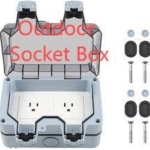

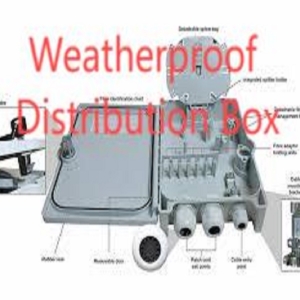
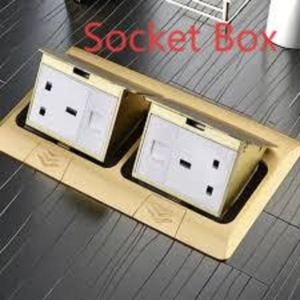
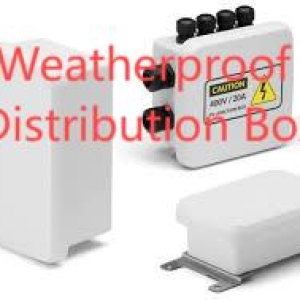
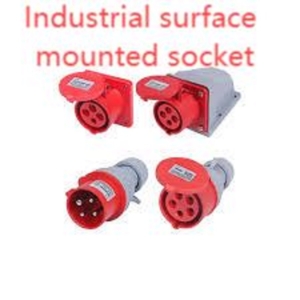
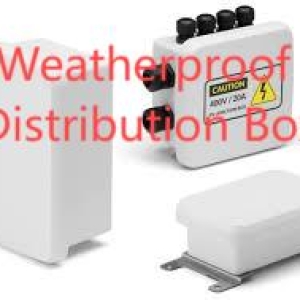
Selecting the correct Outdoor Socket Box Supplier is a foundational decision for any exterior electrical project, because the choice impacts longevity, safety, and maintenance budgets long after installation. Early in the specification phase it helps to compare technical evidence, warranty commitments, and real-world references for any Outdoor Socket Box Supplier you consider, so installations perform reliably under sun, salt, or splash conditions.
Know the Exposure: Environmental Assessment
The first step in specifying an outdoor socket box is to catalog environmental stressors. Is the location exposed to direct rainfall, chemical washdowns, coastal salt spray, extreme UV, heavy dust, or mechanical impacts from equipment and carts? Each exposure type translates into specific requirements for ingress protection (IP), impact rating (IK), and material choice. Create a short site profile that lists expected temperatures, cleaning procedures, and likely mechanical contacts — this profile becomes the foundation for comparing supplier datasheets.
Materials and Corrosion Control
Material selection determines the enclosure’s useful life. Powder-coated aluminum offers a balance of weight and corrosion resistance for most outdoor uses, while 316 stainless steel is preferred in marine or chemical environments. UV-stable polymers and glass-reinforced polyester (GRP) are cost-effective for sun-exposed installations but verify long-term UV and thermal ageing data. In addition to base material, inspect fasteners and internal components — stainless or nickel-plated screws, nickel-plated terminals, and marine-grade gaskets significantly reduce failure points caused by corrosion.
Mechanical Design, Mounting, and Drainage
A good outdoor socket box combines secure sealing with practical mounting features. Look for captive fasteners and hinged lids that stay attached during servicing, positive-latch covers to prevent accidental opening, and dedicated gland plates sized for expected cable diameters. Drainage and thermal expansion considerations are often overlooked: boxes should avoid horizontal cavities that trap water and include weep channels or raised mounts to prevent standing moisture. Rigid, vibration-resistant mounting points and correctly sized spacers improve service life when boxes are attached near heavy machinery.
Fly-Dragon Electrical Co., Ltd. Supplier Capabilities, Testing, and Documentation
Supplier credibility is demonstrated through documented testing and transparent support. Prefer partners who provide IP/IK test reports, material certificates, and thermal or salt-spray data on request. Ask for example installation photos from similar environments and check lead times, customization options, and spare-parts policies. Suppliers that pre-fit surge protection, breakers, or accessory plates can reduce field labor and installation errors. Contractually clarify warranty scope, response times for defective parts, and whether technical support is available locally or through authorized distributors.
Electrical Integration and Safety Features
An enclosure’s value is determined partly by the quality of the internal electrical components. Insist on certified outlets, labelled earth points, properly rated breakers or fuses, and adherence to torque specifications for terminal connections. Consider integrated safety options such as lockable covers to prevent unauthorized disconnection, IP-rated inlets for portable generators, or built-in residual-current devices where additional earth leakage protection is beneficial. For installations near pedestrian areas, tamper-resistant hardware and clear labeling enhance safety and reduce accidental misuse.
Maintenance Planning and Lifecycle Costing
A proactive maintenance program extends service life and reduces unexpected downtime. Schedule periodic visual inspections to check gasket condition, paint integrity, and fastener security, and include electrical testing such as insulation resistance and torque verification during preventive maintenance cycles. Keep a simple log with serial numbers, installation dates, and service actions to identify batch issues or recurring failure modes. When evaluating suppliers, compare not only initial price but also expected maintenance intervals and replacement part availability to estimate total cost of ownership.
Procurement Checklist and Final Thoughts
Before final purchase, confirm IP/IK ratings, material specifications, internal component certifications, available accessories, warranty terms, and spare-part logistics. Seek supplier references from similar installations and insist on clear documentation. Choosing the right outdoor socket box supplier reduces long-term risk and keeps exterior power delivery safe and dependable. For manufacturer catalogs, technical resources, and product information, visit https://www.nante.com