


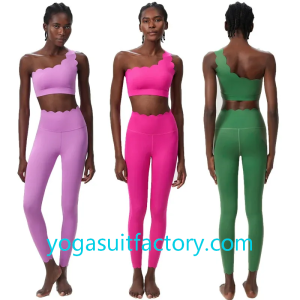
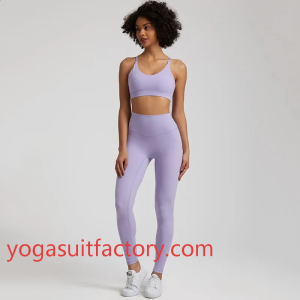
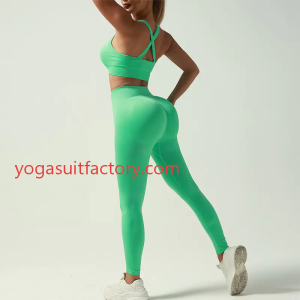
Athletic bottomwear has evolved considerably with seamless construction representing a significant advancement in comfort and fit. Seamless Leggings for Women eliminate traditional side seams, inseams, and waistband stitching through circular knitting technology that creates entire garments from continuous yarns. This construction method produces leggings that conform to body contours without interruption, creating the second-skin sensation many practitioners seek. Understanding what defines seamless leggings and how to identify truly superior fit enables selection of garments that enhance rather than hinder physical activity.
The seamless designation refers specifically to construction methodology rather than mere aesthetic appearance. Authentic seamless leggings emerge from specialized circular knitting machines that produce tubular fabric shaped to leg contours during the knitting process itself. This differs fundamentally from traditional cut-and-sew construction where flat fabric panels are cut to pattern shapes then stitched together. The continuous knit structure eliminates raised seam ridges that create friction points, pressure lines, and potential failure areas where stitching can separate from fabric.
Achieving second-skin fit requires precise sizing that accounts for individual body proportions beyond simple height and weight measurements. Leggings fitting like second skin should feel snug without restriction, moving with the body as unified whole rather than sliding independently or binding during movement. The fabric should lie smoothly against skin without wrinkles, bunching, or gaping that indicates improper sizing. Simultaneously, the compression should never restrict breathing, circulation, or natural movement ranges.
Fabric composition dramatically affects how leggings conform to bodies and maintain fit through movement. High elastane content, typically ranging from fifteen to thirty percent, provides the stretch and recovery necessary for second-skin adherence. The remaining fabric usually consists of nylon, polyester, or performance blends that contribute moisture management, durability, and structure. Lower elastane percentages may feel less constrictive initially but often lose shape faster, developing saggy knees or stretched waistbands that destroy the second-skin fit quality.
Graduated compression engineering creates strategic support zones without uniform tightness throughout entire garments. Well-designed seamless leggings incorporate firmer compression around thighs and calves for muscle support while maintaining slightly lighter compression across hips and waist for comfort. This zoned construction happens during knitting through tension variations and stitch pattern changes within the continuous fabric. The result feels supportive where needed without excessive overall tightness that becomes uncomfortable during extended wearing.
Waistband construction significantly influences whether leggings stay positioned or require constant adjustment during activity. Wide, elasticized waistbands with graduated compression grip firmly without rolling or digging into skin. The seamless transition from waistband into leg fabric prevents the distinct pressure line that separate elastic bands create. High-waisted designs provide additional core coverage and support, though personal preference regarding rise height varies based on torso length and comfort priorities.
Length considerations affect both function and fit perception. Leggings should extend to ankles without bunching excess fabric around lower legs, yet not pull short during squatting or bending. Individual leg proportions mean standard sizing may require trying multiple inseam options to identify appropriate length. Some manufacturers offer regular, petite, and tall variations accommodating height diversity that single-length options cannot serve adequately.
Opacity testing reveals whether fabrics maintain adequate coverage during stretching. Truly well-fitting Seamless Leggings for Women should remain opaque through deep squats, lunges, and bending without becoming transparent across stretched areas. This coverage requires sufficient fabric weight and density that doesn't compromise the lightweight feel characteristic of quality seamless construction. Testing opacity under bright lighting while performing typical movements prevents unwelcome transparency discoveries during actual workouts.
Moisture management properties influence comfort during active wearing, affecting how leggings feel against skin as perspiration develops. Fabrics that wick moisture away from skin and dry quickly maintain the pleasant second-skin sensation even during sweaty activities. Materials that absorb and retain moisture become heavy, clingy, and uncomfortable, destroying the effortless feel that characterizes proper fit.
The break-in factor acknowledges that some high-quality leggings feel slightly stiff when new but soften beautifully after initial washings. This differs from poor-quality leggings that stretch out permanently after first wearing. Reading reviews mentioning how fabrics evolve with washing provides insight into whether initial stiffness represents temporary newness or permanent characteristic.
Finding Seamless Leggings for Women that truly fit like second skin requires systematic attention to construction authenticity, sizing precision, fabric composition, and compression distribution rather than relying on attractive marketing or low pricing alone.
The investment in properly fitting seamless leggings pays dividends through enhanced comfort, unrestricted movement, and durability that maintains fit through extended use. Begin your search for truly seamless, second-skin fitting leggings at https://www.yogasuitfactory.com/ .