
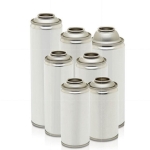

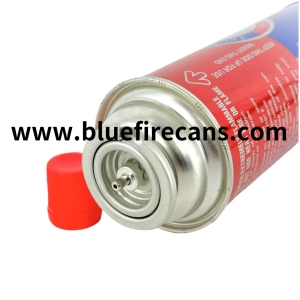
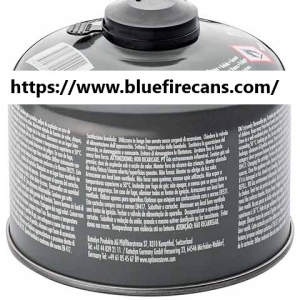
Packaging doesn't get much attention until something goes wrong. A leak, a crushed can, a recycling bin rejection — that's usually when people start asking questions they probably should have asked earlier. Aerosol containers sit in this blind spot constantly, assumed to be either fine or harmful depending on who you ask, rarely examined with any real curiosity. Which is a shame, because the Two-Piece Aerosol Can is genuinely worth understanding.
Start with the structure. Two pieces — a body and an end — instead of the three that older designs require. That missing seam is not a minor detail. Every join in a metal container is a point where material overlaps, where adhesive or welding adds complexity, where the recycling process has to work harder to separate what manufacturing stuck together. Remove one of those joins and you get a cleaner object. Less steel or aluminium consumed, less energy spent fusing components that will eventually need to be pulled apart again. The environmental math starts improving before the can even leaves the factory.
Transport is one of those unglamorous factors that quietly shapes environmental outcomes. Lighter containers move more efficiently. A two-piece construction, using less raw material by design, shaves weight in a way that compounds across shipments. One can is nothing. A million cans across a distribution network is a real number — in fuel, in emissions, in cost. It adds up in ways that do not make headlines but absolutely register in lifecycle assessments.
Then there is the recycling question, which is where most consumer-facing conversations about packaging eventually land. Steel and aluminium recycle well — genuinely well, not in the qualified way that applies to many materials labelled as recyclable. They can go through the process repeatedly without degrading into something less useful. A two-piece design, with its simpler construction and fewer mixed components, moves through recycling infrastructure with less friction. Workers sorting materials, machines processing metal, facilities trying to hit recovery targets — all of them benefit from a container that does not require extra steps to handle.
Durability deserves a mention here, even though it feels like a separate conversation. It is not. A can that holds its integrity over its useful life — that does not corrode, leak, or fail before the product inside is finished — is a can that does not generate premature waste. The structural properties of two-piece construction, with fewer seams to compromise and a cleaner internal surface, tend to support this. Longevity in packaging is an environmental argument, not just a quality one.
Something that often gets skipped in these discussions is what happens at the consumer end. People recycle more readily when they are confident about what they are handling. A metal can with no confusing layers, no laminated components, nothing that looks like it might be the wrong kind of material — that is a can people are more likely to put in the right bin rather than the general waste out of uncertainty. Simplicity in design does not just serve manufacturing. It quietly influences behaviour downstream in ways that are hard to quantify but probably significant.
None of this is to say that two-piece aerosol packaging solves every environmental tension in the industry. It does not. But it addresses several of them in ways that are grounded and repeatable — not dependent on consumer behaviour changes or infrastructure that does not yet exist, but built into the object itself. For those interested in aerosol containers that reflect this kind of approach, the Bluefire range is available at https://www.bluefirecans.com/product/ .