



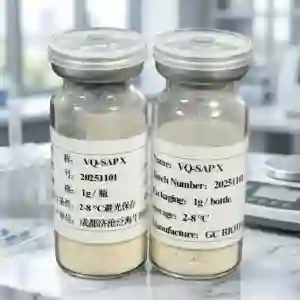



In vaccine development and immunotherapy, one of the most critical challenges is not only delivering an antigen, but ensuring the immune system responds to it in a strong, controlled, and durable way. In many cases, antigens alone are not sufficient to trigger an optimal immune response. This is where immune potentiating adjuvants play a central role.
Immune potentiating adjuvants are specialized compounds designed to enhance immunogenicity. They help direct the immune system toward a more efficient response, improving both the strength and longevity of immunity. In modern biomedical development, they are increasingly recognized as essential components in next-generation vaccines and therapeutic platforms.
Companies such as GC Biotech are actively advancing this field by developing adjuvant systems that improve antigen presentation, immune activation, and overall formulation performance, while also considering safety, scalability, and regulatory compatibility for clinical and industrial use.
What Are Immune Potentiating Adjuvants?
Immune potentiating adjuvants are substances that are administered alongside an antigen to enhance the body’s immune response. Their primary function is to stimulate the innate immune system, which then activates and shapes the adaptive immune response.
This two-layer immune activation is critical for generating:
- Strong antibody responses
- Effective T-cell activation
- Long-lasting immune memory
Different adjuvants may operate through different biological pathways. Some increase the recruitment of immune cells to the injection site, while others enhance antigen uptake and presentation by dendritic cells. In many cases, these mechanisms work together to ensure the immune system recognizes the antigen more efficiently and responds more effectively.
Why Adjuvants Are Essential in Vaccine Development
Vaccines traditionally rely on antigens to train the immune system. However, in many modern vaccine platforms—especially subunit, peptide, and recombinant vaccines—the antigen alone is often too weak to generate a strong immune response.
Historically, adjuvants such as aluminum salts (alum) have been widely used. While effective in many cases, these traditional adjuvants can have limitations, including:
- Variable immune response strength
- Limited cellular immunity stimulation
- Potential reactogenicity in certain applications
As vaccine science has advanced, there has been a clear shift toward more targeted and efficient immune potentiating adjuvants that can deliver stronger and more consistent immune activation while maintaining improved safety profiles.
This evolution became especially important during global health emergencies such as the COVID-19 pandemic, where rapid vaccine development required highly effective immune-enhancing formulations.
Mechanisms of Immune Potentiating Adjuvants
The functionality of immune potentiating adjuvants is based on their ability to influence both innate and adaptive immunity.
Key mechanisms include:
1. Innate Immune Activation
Adjuvants stimulate pattern recognition receptors (PRRs), triggering early immune signaling pathways that prepare the body for antigen exposure.
2. Enhanced Antigen Presentation
They improve how antigens are processed and displayed by antigen-presenting cells (APCs), particularly dendritic cells, increasing T-cell recognition.
3. Immune Cell Recruitment
Some formulations promote the migration of immune cells to the injection site, strengthening the initial immune response.
4. Immune Memory Formation
By modulating immune signaling, adjuvants help generate long-term memory B cells and T cells, ensuring prolonged protection.
Together, these mechanisms create a more complete and durable immune response compared to antigen-only formulations.
Applications in Modern Vaccine and Immunotherapy Platforms
Immune potentiating adjuvants are now widely used across multiple biomedical fields.
1. Infectious Disease Vaccines
They are essential in vaccines targeting:
- Influenza viruses
- SARS-CoV-2
- RSV (Respiratory Syncytial Virus)
- Bacterial infections such as pertussis and tuberculosis
These adjuvants help generate both neutralizing antibodies and cytotoxic T-cell responses, which are critical for effective protection.
2. Cancer Immunotherapy
In oncology, immune potentiating adjuvants play a growing role in therapeutic vaccine development. They are used to:
- Enhance tumor antigen recognition
- Strengthen T-cell mediated immune responses
- Improve synergy with checkpoint inhibitor therapies
This makes them an important component of personalized and targeted cancer treatment strategies.
3. Therapeutic Protein and Recombinant Vaccine Enhancement
Recombinant proteins and subunit vaccines often suffer from low immunogenicity. Adjuvants help to:
- Increase immune response efficiency
- Reduce the required antigen dosage
- Improve consistency of therapeutic outcomes
This is particularly valuable in large-scale vaccine manufacturing where cost efficiency and dose optimization are important.
Advantages of Advanced Immune Potentiating Adjuvants
Modern adjuvant systems provide several key advantages over traditional formulations:
Enhanced Immune Efficacy
They enable stronger immune responses even at lower antigen concentrations.
Long-Term Protection
Improved immune memory leads to extended duration of protection.
Broad Compatibility
They can be used with multiple vaccine platforms, including:
- Subunit vaccines
- Peptide vaccines
- mRNA vaccines
- Viral vector vaccines
Manufacturing Efficiency
Optimized formulations support scalable production processes and more stable industrial manufacturing pipelines.
These characteristics make them highly valuable in both preventive and therapeutic vaccine development.
GC Biotech’s Role in Adjuvant Innovation
Within this evolving field, GC Biotech is actively contributing to the development of next-generation immune potentiating adjuvants. The focus is not only on enhancing immune response performance but also on ensuring:
- Formulation stability
- Clinical safety considerations
- Scalable production design
- Regulatory compliance support
By improving both biological performance and manufacturing feasibility, GC Biotech’s approach supports a wide range of vaccine development pipelines, from early research to industrial-scale production.
Conclusion
Immune potentiating adjuvants have become a fundamental component of modern vaccine science and immunotherapy. Their ability to enhance immune activation, improve antigen presentation, and extend immune memory makes them indispensable in both infectious disease prevention and therapeutic applications such as oncology.
As global healthcare continues to face emerging infectious threats and complex diseases, the demand for more effective and adaptable vaccine technologies will continue to grow. In this context, immune potentiating adjuvants represent a critical technological foundation.
With ongoing advancements led by companies like GC Biotech, the future of immunization is increasingly focused on precision immune modulation—delivering safer, stronger, and more reliable vaccine responses for global health protection.