How Warehouse Management Systems Technology Is Transforming Supply Chain and Warehouse Efficiency
Modern supply chains are becoming more complex due to the rapid growth of e-commerce, omnichannel retail, and global distribution networks. To manage this complexity efficiently, organizations are increasingly adopting advanced Warehouse Management Systems (WMS). According to the QKS Group report SPARK Matrix™: Warehouse Management System (WMS), Q2 2025, WMS platforms are evolving from simple inven... moreHow Warehouse Management Systems Technology Is Transforming Supply Chain and Warehouse Efficiency
Modern supply chains are becoming more complex due to the rapid growth of e-commerce, omnichannel retail, and global distribution networks. To manage this complexity efficiently, organizations are increasingly adopting advanced Warehouse Management Systems (WMS). According to the QKS Group report SPARK Matrix™: Warehouse Management System (WMS), Q2 2025, WMS platforms are evolving from simple inventory tracking tools to intelligent solutions that optimize warehouse operations through automation, analytics, and real-time visibility.
A Warehouse Management System is a software platform that manages and optimizes daily warehouse activities such as receiving goods, inventory management, picking, packing, shipping, and returns. These systems help organizations ensure accurate inventory control, improve order fulfillment speed, and enhance overall operational efficiency across warehouse networks. Modern WMS solutions also integrate with enterprise systems such as ERP, transportation management systems (TMS), and automation technologies including robotics and conveyor systems.
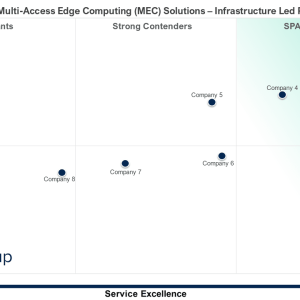
The SPARK Matrix™ research evaluates leading WMS vendors based on technology excellence and customer impact, offering enterprises a strategic framework to compare vendor capabilities and market positioning. The analysis highlights how advanced WMS platforms are delivering end-to-end visibility and operational intelligence across warehouse ecosystems.
One of the key trends identified in the report is the rapid adoption of cloud-based WMS solutions. Cloud deployment enables faster implementation, scalability, and easier integration with other supply chain technologies. Organizations can quickly adapt warehouse processes without extensive IT customization, allowing them to respond faster to fluctuating demand and operational changes.
Another important trend is the integration of automation and orchestration technologies. Modern Warehouse Management System platforms are designed to coordinate different warehouse automation systems such as robotics, automated guided vehicles (AGVs), conveyors, and voice-directed picking tools. This orchestration capability ensures seamless communication between software and physical warehouse equipment, leading to improved productivity and reduced manual errors.
Advanced analytics and artificial intelligence are also transforming the WMS landscape. Many solutions now include predictive analytics, labor optimization tools, and real-time dashboards that help warehouse managers monitor throughput, inventory movement, and resource utilization. These capabilities enable organizations to make data-driven decisions, improve workforce productivity, and reduce operational costs.
Another emerging capability is configurable workflow management through rules-based engines. Instead of relying heavily on custom coding, warehouse operators can adjust operational workflows such as wave planning, inventory zoning, and replenishment strategies directly within the platform. This flexibility allows businesses to quickly adapt to seasonal demand spikes or changing order fulfillment requirements.
Furthermore, modern WMS platforms are supporting reverse logistics and omnichannel fulfillment, which are critical for industries such as retail, e-commerce, manufacturing, and third-party logistics providers (3PLs). By integrating returns management, yard management, and shipping coordination, WMS solutions provide a unified platform for end-to-end warehouse execution.
In conclusion, Warehouse Management Systems are becoming a critical component of digital supply chains. As highlighted in the SPARK Matrix™ analysis, organizations that invest in intelligent, automation-ready WMS platforms can significantly improve operational efficiency, inventory accuracy, and order fulfillment speed. With continuous innovation in cloud computing, AI, and warehouse automation, WMS solutions will continue to play a vital role in building agile and resilient supply chain operations.
How Modern Supply Chain Planning Solutions Are Transforming Business Operations
In today’s fast-moving global economy, organizations must manage complex supply chains that span multiple suppliers, distribution networks, and customer channels. Uncertain demand, geopolitical risks, and changing consumer behavior have made supply chain management more challenging than ever. As a result, enterprises are increasingly adopting advanced Supply Chain Planning (SCP) solutions to improve visibility, opti... moreHow Modern Supply Chain Planning Solutions Are Transforming Business Operations
In today’s fast-moving global economy, organizations must manage complex supply chains that span multiple suppliers, distribution networks, and customer channels. Uncertain demand, geopolitical risks, and changing consumer behavior have made supply chain management more challenging than ever. As a result, enterprises are increasingly adopting advanced Supply Chain Planning (SCP) solutions to improve visibility, optimize resources, and make faster business decisions.
The report SPARK Matrix™: Supply Chain Planning, Q4 2025 by QKS Group provides a detailed analysis of the global supply chain planning market. The study evaluates leading technology vendors and highlights how modern planning platforms are helping enterprises build agile and resilient supply chains.
The Growing Need for Intelligent Supply Chain Planning
Traditional supply chain planning tools were designed for stable environments and often relied on static forecasting models. However, today’s supply chains must respond quickly to demand fluctuations, supply disruptions, and operational risks. Modern SCP platforms address these challenges by using advanced technologies such as artificial intelligence, machine learning, and predictive analytics.
These solutions help organizations forecast demand more accurately, optimize inventory levels, and improve collaboration across departments. By connecting demand planning, supply planning, production scheduling, and financial planning in a unified environment, companies can achieve better coordination across the entire supply chain network.
Key Capabilities of Modern SCP Platforms
Next-generation supply chain planning platforms are designed to provide real-time insights and data-driven decision making. Some of the key capabilities include:
1. Advanced Demand Forecasting
AI-driven forecasting models analyze historical data, market trends, and external signals to generate more accurate demand predictions.
2. Scenario Modeling and “What-If” Analysis
Digital modeling allows organizations to simulate multiple scenarios and evaluate the impact of disruptions before making decisions.
3. Inventory Optimization
Modern SCP solutions help balance service levels and inventory costs through advanced optimization techniques.
4. End-to-End Supply Chain Visibility
Integrated platforms provide a single view of demand, supply, production, and logistics operations, improving coordination and operational efficiency.
These capabilities enable organizations to manage uncertainty and respond faster to market changes while maintaining service levels and profitability.
Vendor Landscape and Market Insights
The SPARK Matrix evaluation framework compares leading vendors based on two key parameters: technology excellence and customer impact. This framework helps organizations understand vendor strengths, competitive positioning, and innovation strategies in the supply chain planning market.
For example, modern platforms such as the Atlas planning platform from John Galt Solutions demonstrate how AI-driven planning, scenario modeling, and workflow automation can transform supply chain operations. These capabilities enable enterprises to manage demand volatility, automate routine planning tasks, and focus on strategic decision-making.
Supply chain planning is evolving rapidly as organizations move toward intelligent, data-driven decision frameworks. Advanced planning platforms powered by AI, automation, and real-time analytics are helping businesses improve operational efficiency, reduce risk, and build more resilient supply chains.
The SPARK Matrix™: Supply Chain Planning, Q4 2025 report from QKS Group provides valuable insights into this evolving market, helping enterprises identify the right technology partners and strategies to strengthen their supply chain capabilities in an increasingly complex business environment.
Report Highlights: What’s Inside
An in-depth look at the rapidly evolving SCP market and the key technologies reshaping end-to-end supply chain performance.
A competitive landscape featuring profiles of global SCP vendors, with rankings based on technology excellence and customer impact.
An exploration of the critical capabilities driving next-generation supply chain planning.
Why CIAM (Customer Identity and Access Management) Is Now a Big Tech Priority in 2026
In today’s digital world, businesses must make sure their customers can securely access online services while having a smooth, easy experience. This is where Customer Identity and Access Management (CIAM) comes in. It is a technology system that helps companies verify customer identities, control who can access what, and protect sensitive data from theft or misuse. In 2025, the CIAM market is rapidly growing a... moreWhy CIAM (Customer Identity and Access Management) Is Now a Big Tech Priority in 2026
In today’s digital world, businesses must make sure their customers can securely access online services while having a smooth, easy experience. This is where Customer Identity and Access Management (CIAM) comes in. It is a technology system that helps companies verify customer identities, control who can access what, and protect sensitive data from theft or misuse. In 2025, the CIAM market is rapidly growing and becoming a crucial part of digital security strategies for many industries.
CIAM platforms allow users to sign up, sign in, and manage access to digital services such as apps, websites, and customer portals. These systems handle identity verification, password management, multi-factor authentication (MFA), and user profile storage. They help businesses balance security and user experience - guarding against threats but without making login processes too hard or frustrating for customers.
In simple terms, CIAM acts like a digital gatekeeper. It makes sure that only the right people can enter specific applications and data, while also protecting companies from fraud and cyberattacks. This balance is especially important for financial services, eCommerce, healthcare, telecom, and other sectors that serve millions of users online.
CIAM Market Growth in 2025
According to the latest market analysis reports, the global CIAM market is projected to reach $12.5 billion by 2030, growing at a strong rate every year from 2025 onward. This growth is driven by organizations investing more in digital services, online security, and compliance with data privacy laws.
This expanding opportunity means that vendors - companies who build CIAM solutions - must innovate continuously. New technologies like AI (Artificial Intelligence), behavioral analytics, adaptive authentication, and biometrics are now part of modern CIAM systems. These tools help detect suspicious activities, strengthen authentication without harming user experience, and reduce the risk of identity fraud.
Here are some important trends shaping the Customer Identity and Access Management (CIAM) space in 2025:
AI-Driven Security: CIAM tools are using artificial intelligence to adapt security in real time. This means the system can read how a customer behaves and adjust access requirements dynamically - such as triggering extra authentication if something looks unusual.
Zero-Trust Security Models: Zero-trust means that no user or device is trusted by default. Every access request is verified before approval. CIAM platforms are integrating zero-trust frameworks to reduce risk and protect sensitive data.
Password-less Authentication: Methods like biometric login or one-time codes help reduce reliance on passwords. This improves user experience and lowers the chances of password-related breaches.
Cross-Industry Adoption: From banks to healthcare providers, more organizations are adding CIAM to their tech stack to ensure reliable access management and compliance with privacy standards.
Why CIAM Matters for Today’s Digital World
In 2025, digital trust is a major factor for customer loyalty. When users feel their data and access are secure, they are more likely to engage with online services. Customer Identity and Access Management (CIAM) helps companies build that trust, reduce risks of cyberattacks, and provide seamless digital experiences. As digital transformation continues, CIAM will remain a key investment area for businesses around the world.
Bot Management Market: Technology Excellence and Customer Impact Analysis
In today’s digital world, automated bot attacks are one of the biggest threats to online businesses. Bots can scrape data, perform credential stuffing attacks, overload servers, and disrupt user experiences on websites, mobile apps, and APIs. As these automated threats grow in sophistication, organizations need stronger bot protection solutions backed by modern intelligence and real-time detection. To help companies under... moreBot Management Market: Technology Excellence and Customer Impact Analysis
In today’s digital world, automated bot attacks are one of the biggest threats to online businesses. Bots can scrape data, perform credential stuffing attacks, overload servers, and disrupt user experiences on websites, mobile apps, and APIs. As these automated threats grow in sophistication, organizations need stronger bot protection solutions backed by modern intelligence and real-time detection. To help companies understand and compare leading bot management technologies, the QKS Group publishes the SPARK Matrix™: Bot Management, Q3 2025 report - a research study that evaluates vendors based on technology capabilities and customer impact.
The SPARK Matrix™ is an evaluation framework created by QKS Group, a global analyst and advisory firm. It positions technology vendors on a two-dimensional chart based on:
Technology Excellence - how advanced and innovative a product is, and
Customer Impact - how effectively it helps customers achieve real outcomes.
This framework goes beyond simple rankings. It captures detailed insights about market dynamics, key trends, and competitive positioning - giving buyers useful guidance when selecting technology partners.
Why Bot Management Matters
Bots are automated programs that mimic human behavior on digital systems. While some bots are harmless or even helpful (for search engines, for example), bad bots cause harm by:
Scraping content without permission
Performing brute-force login attacks
Generating fake transactions
Overloading systems with fake traffic
Bad bots can cost companies millions in lost revenue, brand damage, and ongoing security expenses. Traditional security tools like firewalls cannot always detect intelligent bots that adapt their behavior. Modern bot management solutions use AI and behavior-based analytics to identify and block malicious traffic in real time.
Leader in Bot Management: Radware
In the SPARK Matrix™: Bot Management, Q3 2025 report, Radware’s Bot Manager was recognized as a Leader, earning one of the highest positions for both technology excellence and customer impact among bot management vendors globally.
According to analyst insights from the report, Radware’s solution uses CAPTCHA-less AI-based behavioral algorithms to distinguish legitimate users from bad bots. It applies real-time signatures and crypto challenges to block sophisticated automated attacks while allowing normal traffic through. This real-time, automated approach gives organizations better visibility into bot activity and stronger defenses against evolving threats.
Radware’s leadership position in the SPARK Matrix™ reflects its consistent innovation in bot protection, strong deployment flexibility, and clear threat visibility - all of which help businesses stay protected and maintain uninterrupted digital experiences.
The SPARK Matrix™ report serves as a strategic tool for organizations evaluating Bot Management technologies. It highlights how advanced bot defenses - powered by AI, real-time analytics, and behavioral intelligence - are essential in defending digital platforms. Businesses can use findings like those in the report to compare vendors, understand market direction, and choose solutions that align with their security needs.
As automated attacks continue to grow in volume and complexity, investing in strong bot management solutions is no longer optional - it is a critical part of modern cybersecurity strategy.
How Digital Forensics and Incident Response Is Shaping Cyber Resilience in 2025
The Digital Forensics and Incident Response (DFIR) market is gaining strong attention from enterprises as cyber threats become more advanced and frequent. Organizations are no longer focused only on preventing breaches; they are equally prioritizing rapid detection, investigation, and recovery. DFIR services help enterprises respond faster to incidents, reduce damage, and learn from attacks to strengthen long-term c... moreHow Digital Forensics and Incident Response Is Shaping Cyber Resilience in 2025
The Digital Forensics and Incident Response (DFIR) market is gaining strong attention from enterprises as cyber threats become more advanced and frequent. Organizations are no longer focused only on preventing breaches; they are equally prioritizing rapid detection, investigation, and recovery. DFIR services help enterprises respond faster to incidents, reduce damage, and learn from attacks to strengthen long-term cyber resilience.
The latest market analysis from QKS Group highlights how the DFIR landscape has evolved between 2024 and 2025. Using its proprietary SPARK Matrix framework, the research evaluates key service providers based on two major parameters: Technology Excellence and Customer Impact. Vendors are positioned across three segments-Leaders, Contenders, and Aspirants-offering a clear view of competitive dynamics and year-over-year movement in the market.
The research provides a detailed global analysis of emerging technologies, market trends, and future outlook. It supports technology vendors in refining growth strategies and helps enterprises assess vendor capabilities, differentiation, and market positioning. The SPARK Matrix also includes comprehensive vendor evaluations and competitive benchmarking across major DFIR providers.
Key participants assessed in the study include leading cybersecurity organizations such as Check Point Software, CrowdStrike, Cybereason, Google Cloud (Mandiant), Group-IB, IBM, Kaspersky, Kroll, Palo Alto Networks, SecurityScorecard, and SentinelOne. These vendors are shaping the DFIR ecosystem through innovation, service expansion, and integration with broader security platforms.
The DFIR services market is evolving into a critical enabler of enterprise cyber resilience. Modern providers are moving beyond traditional post-breach response to include proactive threat hunting, forensic readiness, and continuous incident response operations. Their offerings now combine digital evidence collection, malware analysis, and root-cause investigation with AI-driven automation and advanced threat intelligence to reduce time-to-containment.
Alignment with global frameworks such as MITRE ATT&CK and NIST is also strengthening DFIR practices. These frameworks enable standardized investigation methodologies, structured reporting, and consistent response across on-premises, cloud, and hybrid environments. As a result, organizations can ensure defensible incident documentation and improved regulatory compliance.
Another major shift is the convergence of DFIR with Managed Detection and Response (MDR) and threat intelligence platforms. This integration allows enterprises to operationalize incident data, improve attribution accuracy, and enhance preparedness for future attacks. With threat actors using stealthier and more sophisticated tactics, and regulatory pressure increasing across industries, DFIR services are becoming an essential part of enterprise cybersecurity strategy.
In 2025, DFIR is no longer a reactive service-it is a strategic capability that delivers visibility, assurance, and resilience. Enterprises that invest in mature DFIR capabilities are better equipped to detect threats early, respond effectively, and maintain business continuity in an increasingly complex threat landscape.
The Business Process Automation Market was valued at USD 12.5 billion in 2024 and is projected to reach USD 34.5 billion by 2034, registering a CAGR of 10.5%.
The Global Business Process Automatio...
When people search for a lawyer today, they are not only looking for legal expertise. They want clarity, trust, and guidance that actually helps them make better decisions. That is why learning...
Disaster Recovery Services: Protecting Business Operations in a Cloud-Driven World
Modern businesses rely heavily on digital infrastructure to support daily operations, customer interactions, an...
The global Know Your Business Verification Market/Amp is expanding rapidly as regulatory compliance, fraud prevention, and digital onboarding become critical for financial institutions and fintech ...
When professionals share their office habits online, a surprising number talk about the humble spiral notebook. Threads and discussions across forums reveal that many people prefer the flexible d...