


In the high-stakes manufacturing of energy storage systems, the structural integrity of a lead-acid battery is determined by the reliability of its chemical and physical seals. Among these, the cell-to-cover joint—typically sealed utilizing high-viscosity, two-part epoxy resins—serves as the primary defense against catastrophic acid leakage, internal pressure fluctuations, and premature plate sulfation. While the formulation of the adhesive is highly scrutinized, the thermal process used to cross-link and cure it is often the actual bottleneck. For global manufacturing plants striving for high-throughput efficiency and zero-defect quality control, deploying a specialized Automatic Epoxy Dried Furnace is a fundamental prerequisite for modern assembly lines.
Thermodynamics of Epoxy Curing in Lead-Acid Battery Assembly
The curing of epoxy resin is an exothermic cross-linking polymer reaction that requires strict thermal management. If the temperature rises too rapidly, the resin can experience thermal shock, leading to micro-voids, internal bubbling, and brittleness. Conversely, incomplete curing due to localized cold spots within a chamber will drastically reduce mechanical bond strength, causing structural failure during downstream high-rate discharge testing or field operations.
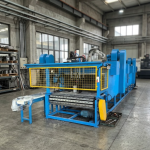
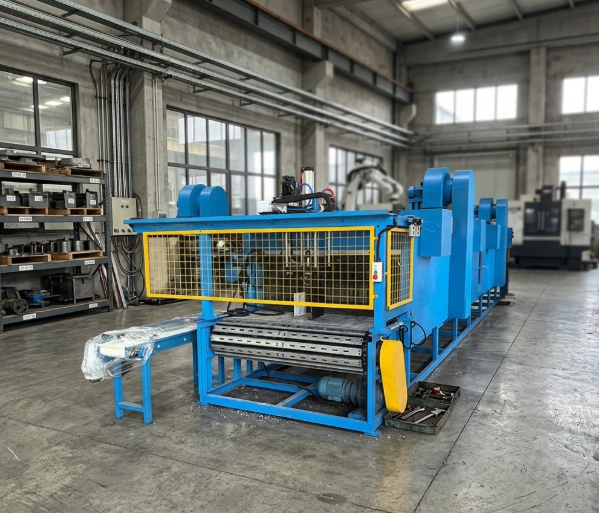
When managing a specialized lead acid battery Automatic epoxy dried furnace, theengineering profile must account for the unique thermal mass of the battery itself. Lead plates,heavy plastic polypropylene (PP) casing, and liquid-acid residues act as significant heat sinks. Apremium industrial furnace does not merely blast the units with ambient heat; it employs highlycontrolled, forced-convection multi-zone heating profiles. By using laminar airflow distribution,the system ensures that heat is delivered uniformly across every millimeter of the battery cover,ensuring the epoxy reaches its glass transition temperature (Tg) simultaneously across all cellswithout warping the delicate plastic housings.
Eliminating Production Bottlenecks with Intelligent Automation
Traditional batch ovens create major friction points in modern continuous assembly layouts. They introduce manual handling risks, inconsistent dwell times, and uneven thermal exposure. Integrating a continuous-flow Automatic Epoxy Dried Furnace transitions the facility into a streamlined, automated workflow.
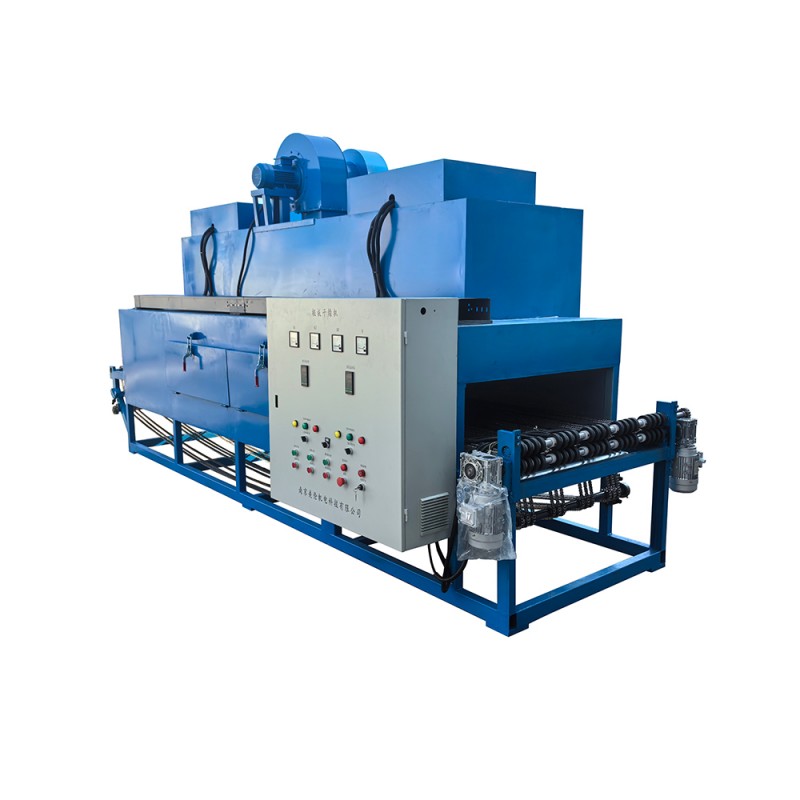
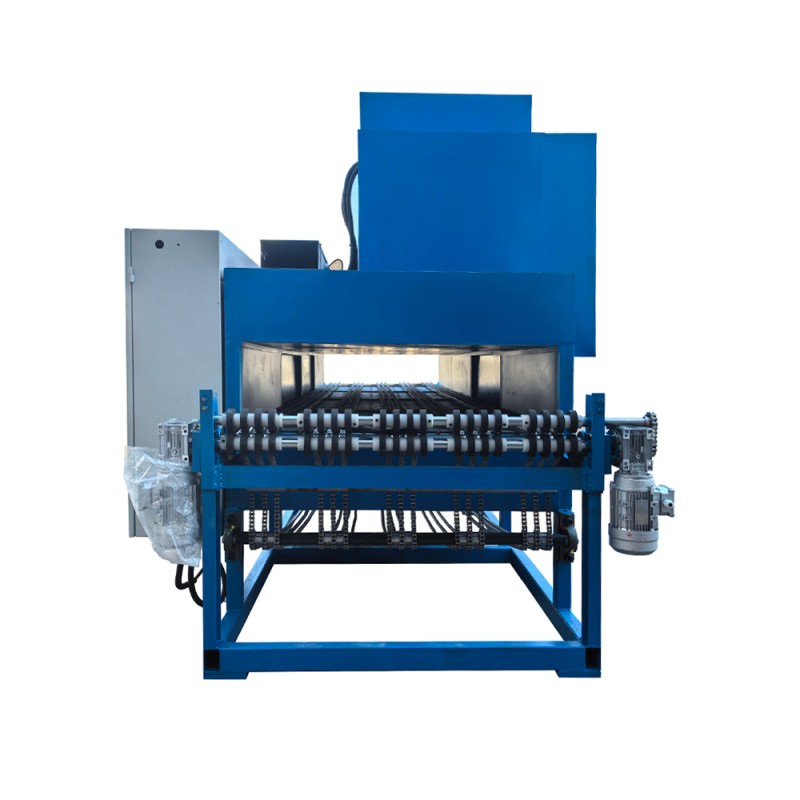
Modern automated furnaces feature multi-tiered or linear conveyor architectures that synchronize directly with continuous epoxy dispensing machines. Utilizing precision variable-frequency drives (VFDs) and proximity sensor arrays, the system continuously monitors the exact positioning of every battery lot. As the batteries pass through successive pre-heating, soaking, and stabilized cooling zones, the system dynamically balances the line speed with real-time continuous freezer and dispensing loops. This elimination of human error and manual loading directly reduces labor overhead while protecting the high Overall Equipment Effectiveness (OEE) metrics expected of modern smart factories.
Engineering Flexibility via Custom Automatic Epoxy Dried Furnaces
No two battery manufacturing facilities are identical. Differences in factory floor space, ceiling clearance, production throughput goals, and divergent battery dimensions (ranging from small motorcycle batteries to massive, multi-kilowatt industrial telecommunication blocks) necessitate bespoke machinery.
Recognizing these operational variations, Nexa Battery Technology designs high-performance thermal hardware engineered precisely around client-specific production matrixes. By opting for a Custom Automatic Epoxy Dried Furnace, system designers can tailor critical machine parameters to match their exact floor layout and chemical requirements:
-
Variable Height Tunnel Clearances: Accommodates tall traction or stationary battery cells alongside low-profile starting, lighting, and ignition (SLI) automotive batteries.
-
Dual-Fuel and Hybrid Heating Arrays: Configurable with precise electric infrared (IR) emitters for rapid top-surface curing, or direct/indirect gas-fired forced air units to optimize long-term utility expenditures.
-
Adjustable Lane Architectures: Multi-lane parallel conveyor lines that allow manufacturers to process multiple battery SKUs simultaneously under different curing profiles.
Data Logging and Industrial Integration for Industry 4.0
In the current global trade environment, regulatory compliance and product traceability are non-negotiable. If a battery bank fails in a critical data center or locomotive grid, the manufacturer must be able to retrieve precise historical processing logs to determine the root cause.
Advanced curing platforms engineered by Nexa Battery Technology feature sophisticated, centralized Programmable Logic Controller (PLC) systems operating over EtherNet/IP or Profinet protocols. These systems continuously log real-time temperature data from multiple embedded thermocouples inside the heating zones. If a single heating element exhibits a performance deviation or if a conveyor jam alters the prescribed dwell time, the automation system instantly flags the affected batch, outputs a telemetry alert, and prevents the compromised units from advancing to the final acid-filling and formation stages. This granular level of quality assurance protects the manufacturer's brand reputation and significantly drives down warranty claim liabilities.
Material Science, Safety, and Structural Longevity
Operating a high-temperature industrial oven in close proximity to lead processing and chemical adhesives demands robust safety engineering. Volatile organic compounds (VOCs) released during the initial phase of the epoxy cross-linking reaction must be safely and continuously extracted from the working environment.
Premium furnaces are constructed utilizing heavy-gauge SUS304 stainless steel interior liners backed by high-density rockwool insulation blankets to minimize skin temperatures and maximize energy conservation. Integrated exhaust filtration systems actively draw out corrosive outgassings, preventing chemical buildup on the heating elements and ensuring the factory floor complies with rigid environmental and occupational safety regulations. By controlling every variable—from precise pneumatic airflow balancing to rugged mechanical structural integrity—manufacturers ensure an optimal return on investment (ROI) that extends across decades of uninterrupted 24/7 industrial production.
https://www.nexa-battery.com/how-engineers-automatic-epoxy-dried-furnaces.html