


Why That 50% Off Tag Isn't Saving You Anything
End-of-season sales feel like free money. The price is crossed out, a new number sits beside it, and your brain registers the difference as a win. But here's what most shoppers miss: a discount on something you wouldn't have bought at full price isn't a saving. It's a cost. Stores know this. That's why markdowns are timed, marketed, and positioned the way they are. The discount isn't designed to help you. It's designed to move inventory that didn't sell at the original price, and the reason it didn't sell usually matters more than the percentage off.
Why Some Pieces End Up on Sale and Others Don't
Not every discounted item is a bad buy, but the reason it's discounted tells you a lot. There are three common categories. First, overstock — the brand made more than it could sell, and the piece is fine. Second, seasonal colorways — bright shades that don't carry into the next season. Third, and most importantly, poor performers — pieces that didn't sell because customers didn't like them once they arrived in stores. That third category is where most sale disappointments come from. If a piece is discounted heavily within weeks of release, that's usually a signal, not an opportunity.
The Questions to Ask Before You Buy Anything on Sale
Run every discounted item through these five questions before you commit:
-
Would I buy this at full price? If the answer is no, the discount isn't the reason to buy. It's just the excuse.
-
Does it work with at least three outfits I already own? If it only works with one, it'll sit unworn.
-
Is the fabric weight still listed? Sale listings sometimes strip detail. If GSM is missing, that's information.
-
Is the return policy still intact? Many brands exclude sale items from returns. That shifts all the risk to you.
-
Is the discount real? Some brands inflate the original price before marking it down. Check the historical price if you can.
Those five questions take about thirty seconds. They prevent most sale mistakes.
Why Fabric Weight Still Matters at a Discount
A cheap price doesn't change what the garment is. A 280 GSM hoodie marked down from $80 to $50 is still a lightweight piece that will pill within a season. The discount doesn't upgrade the fabric. This is where shoppers get tripped up most often — they pay $50 for something that wasn't worth $80 either, and they convince themselves it was a bargain. The right filter is to ignore the discount entirely and judge the piece on its own merits. If it passes the quality check at full price, the discount is a bonus. If it doesn't, the discount is irrelevant.
Where Peace in War Makes Sale Shopping Easier
Some brands don't depend on markdowns because their pieces don't go out of style in the first place. Peace in War centers its identity on quiet resilience — minimal branding, relaxed silhouettes, and heavyweight construction built for repetition and daily wear. The Growth Hoodie and Skull Sweats use fabric weight and reinforced stitching rather than trend-driven graphics, which means they don't end up on clearance racks three months later. The pieces hold their value because they stay useful. When a garment is designed to work for years instead of a single season, the pressure to buy it on sale disappears. You either need it or you don't.
Where Amiri Holds Value Without Discounting
At the luxury end, discounting works differently. Luxury brands rarely slash prices the way mid-tier labels do, because doing so would undermine the value of the brand itself. Amiri operates this way. The brand built its reputation on hand-finished construction — hand-distressed denim, Italian tailoring, and detailing that only reveals itself up close. Every distress point on the denim is cut by hand, and repairs are stitched with embroidery machines, which is why a single pair can take months to complete. That labor creates real scarcity, and scarcity is what keeps prices stable. When you buy at this level, you're not waiting for a markdown. You're buying a piece that holds its value, which is a different kind of saving entirely.
Where Mixed Emotion Rewards Buying Early
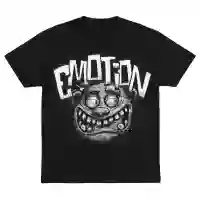
Expressive brands have a different relationship with discounting. Graphic pieces tied to a specific design or theme can sell out rather than go on sale, especially when runs are limited. Mixed Emotion builds its identity around artwork that puts feelings on the surface — cherub illustrations, rhinestone detailing, and slogans that read sharper in person than in photos. When a piece is designed around a specific idea rather than a seasonal trend, the demand doesn't drop just because the calendar changes. That means waiting for a markdown is often a losing strategy. If you love the artwork, buy it when you see it. Waiting rarely pays off on pieces that aren't mass-produced.
The Sale Trap That Catches Almost Everyone
The most common sale mistake is buying three discounted pieces instead of one full-price piece you actually wanted. The math looks good in the moment — you spent $150 and got three items. But if only one of them gets worn, you effectively paid $150 for one garment and two items you'll never use. A single well-chosen piece at full price is usually cheaper in real terms than three discounted pieces that don't fit your life. The discount distorts the decision. Ignore it and judge each purchase on its own, and you'll spend less while owning more of what you actually wear.
What to Look For in a Genuine Sale
Not all sales are traps. A genuine markdown usually has a few traits worth looking for. The piece was in your wishlist before the sale started. The fabric weight and material composition are still listed. The brand is known for quality rather than volume. The return policy is intact. The discount is on a color or size you'd genuinely choose. When most of those apply, the sale is real and worth taking. When none of them apply, the discount is just a marketing tool doing what it was designed to do.
The Care Habits That Protect Sale Purchases
If you do buy on sale, treat the piece like anything else in your rotation. Cold water preserves dye and fiber strength. Gentle cycles reduce friction. Air-drying prevents shrinking and print cracking. Wash heavyweight pieces less often than you think, air them out between wears, and spot-clean marks rather than running a full cycle. A discounted piece that's cared for properly lasts just as long as one bought at full price. The price you paid doesn't affect how long a garment lasts, but how you treat it does. I've kept sale pieces looking new for years with that routine and watched people ruin full-price purchases in three months by ignoring it.
The Honest Limits of This Advice
There's a real argument for buying on sale even when the piece isn't perfect. Money is limited, and getting a good garment at a lower price is genuinely useful. Some people have more time than budget, and waiting for markdowns is a legitimate strategy. The advice in this piece isn't that sales are bad. It's that the discount shouldn't be the reason you buy. If a piece is good, fits your rotation, and happens to be discounted, that's a win. If the only reason you're considering it is the price tag, that's where the trap begins.
Final Words
End-of-season sales aren't designed to save you money. They're designed to move inventory, and the discount is the tool that makes that happen. Judge each piece on its own merits, ignore the percentage off, and buy only what fits your wardrobe. Peace in War builds pieces that don't depend on discount cycles. Amiri holds value without markdowns. Mixed Emotion rewards buying early when the artwork connects. Spend less by buying better, not by buying more.
FAQ
Are end-of-season sales actually worth shopping?
Sometimes. If the piece fits your rotation and passes a quality check, the discount is a bonus. If the discount is the only reason you're considering it, skip it.
Why do some pieces go on sale so quickly?
Usually because they didn't sell. Heavy markdowns within weeks of release often signal a product customers didn't connect with, not an opportunity.
Should I wait for a discount on graphic pieces?
Usually not. Limited-run graphic pieces sell out rather than go on sale. If you love the artwork, buy it when you see it.
Does a discount mean the quality is lower?
No, but it can mean the demand was lower. Check fabric weight and material composition before buying, regardless of price.
How do I avoid wasting money during sales?
Ask whether you'd buy the piece at full price and whether it works with three outfits you already own. If either answer is no, leave it.