

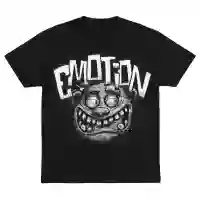

Why Spring Camping Weather Fools Everyone
Spring break camping in the USA looks simple on paper. March and April bring warmer days, longer light, and open campgrounds across the South and Southwest. Then the sun goes down. Desert sites in Utah and Arizona drop forty degrees overnight. Smoky Mountain campgrounds sit in valleys where cold air pools after dark. Even Gulf Coast parks in Florida get chilly when a front pushes through. So the day you packed for isn't the day you'll actually sleep in. That gap is why a mixed emotions Hoodie belongs at the top of your camping list, not buried at the bottom of a duffel.
Why a Hoodie Beats a Puffy Jacket at Camp
Puffy jackets are great on a summit and awkward everywhere else at camp. They're hot near a fire, they snag on tent zippers, and they're useless once the morning sun hits your site. A hoodie solves all of that. It's warm enough for a 35-degree night, light enough to sleep in if your bag runs cold, and easy to toss on for a 6 a.m. bathroom walk. A mixed emotions Hoodie handles that role well because the fabric stays soft after repeated wear and doesn't bunch when you layer a shell over it. I've camped four spring seasons in one, and it did more work than any jacket I packed.
Three Spring Campsite Setups and What to Wear
Not every spring camping trip works the same way. Dress for the one you actually booked.
-
Desert and canyon sites: Utah, Arizona, and New Mexico. Days hit 75, nights drop near freezing. Wear a hoodie under a light shell, bring a beanie, and pack wool socks for sleeping.
-
Forest and mountain sites: Smoky Mountains, Ozarks, and Appalachia. Damp air makes cold feel sharper. Wear a hoodie you can sleep in and add a mid layer for the fire.
-
Coastal and lake sites: Florida, Texas, and the Carolinas. Wind off water changes everything after dark. Wear a hoodie, bring a windbreaker, and skip anything loose that catches sparks.
Why the Temperature Drops So Fast After Dark
Here's the pattern that catches first-timers. Open campsites lose heat quickly because there's nothing to hold it. Trees block some ground radiation, but clearings and lakeshores don't. So the temperature falls faster than the forecast suggests, often ten to fifteen degrees within an hour of sunset. Your body also slows down once you stop hiking or setting up camp. By 9 p.m., you're sitting still, and the cold finds you fast. Layers you can adjust matter more than one heavy piece. I've watched people leave fires early because they dressed for the afternoon and never changed.
What to Keep in Your Camp Bag
You'll be in and out of a tent, near a fire, and walking to bathrooms in the dark. Keep things organized and dry. Here's what earns a spot:
-
A hoodie you can sleep in, kept separate from the fire-smoke layer
-
Wool socks, at least two pairs
-
A beanie and light gloves
-
A headlamp with spare batteries
-
A dry bag for anything that must stay dry
-
A packable rain shell for spring storms
Skip the heavy coat, since it's overkill near a fire. Skip the cotton pajamas, because they hold moisture and stay cold. And skip anything you'd hate to see covered in smoke and pine sap.
Where Durable Fabric Actually Earns Its Place
Camping is rough on clothing. Smoke, sap, rocks, and repeated washing wear thin fabric out within a season. So when you spend money on a layer, spend it on something built to handle real conditions. Japanese streetwear has leaned toward denser fabric and solid hardware for decades, and that shows in how those pieces hold up over time. Items from chrome hearts carry that weight and detail, so a single piece lasts across multiple seasons instead of one. That durability matters more than a trail print when you're leaning against a log at midnight. Heavy hardware isn't for everyone, though, and a solid mid-range hoodie does the job fine.
Buying From the Japanese Market
The Japanese side of the brand releases pieces that often never reach US shops, usually in smaller runs with different details. You can browse what's currently listed at https://chromeheartsjpco.com/ if you want options outside the standard selection. One honest warning. Importing costs more than the listed price once shipping and customs are added. Sizing runs differently, and returns are painful from overseas. I've ordered twice, and one package arrived after the trip ended. If your campsite dates are fixed, don't gamble on delivery windows you can't control.
One Layer That Handles the Whole Trip
If you only pack one warm layer for spring camping, make it something you can wear, remove, and sleep in without fuss. A mixed emotion handles the cold morning at the picnic table, the warm afternoon hike, and the freezing walk to the bathroom at 2 a.m. That flexibility is the whole point. Do check your campground's fire rules and quiet hours before you go, though. Many state parks ban fires during dry spring stretches, and some sites require reservations months in advance.
Final Words
Spring break camping in the USA rewards planning more than most trips. The days are warm, the nights are cold, and the weather can flip twice before breakfast. Wear layers you can adjust, keep a hoodie for sleeping, and pack wool socks. Then stop worrying about the temperature and enjoy the trip. The stars look better when you're warm enough to stay outside.
FAQs
What should I wear for spring break camping in the USA?
A hoodie, warm pants, wool socks, and a beanie. Add a light shell for wind and rain.
Is a hoodie warm enough for a spring camping night?
For most US campsites, yes. In mountain or desert sites, layer a shell over it and use a warm sleeping bag.
Can I sleep in a hoodie while camping?
Yes, and many campers do. Just avoid cotton layers that hold moisture.
Do spring campgrounds require reservations?
Most popular state and national parks do, often months ahead for spring break weekends.
When should I buy clothing for a spring camping trip?
Two to three weeks ahead, or earlier if ordering from overseas shops.