
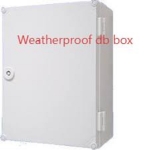

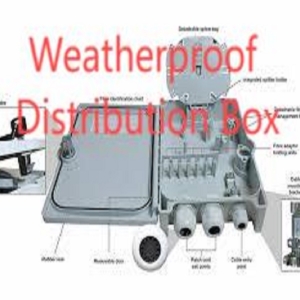
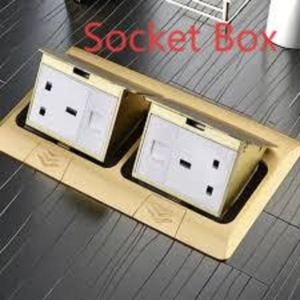
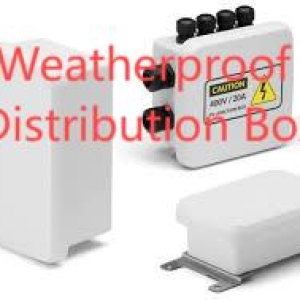
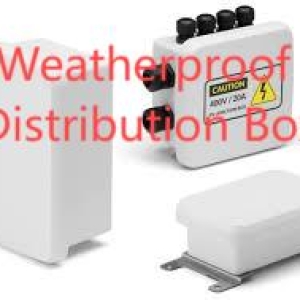
In today’s infrastructure projects, choosing the right outdoor enclosure matters — the Weatherproof db box from Nante often becomes the focal point for protecting sensitive electrical components, and understanding its real-world advantages helps professionals and homeowners make informed decisions. This guide explores construction, installation, performance, and care for these enclosures so you can confidently specify and maintain them across a variety of applications.
Why robust enclosure design matters
Outdoor electrical distribution demands more than a stamped metal case; it requires a design that balances ingress protection, mechanical strength, and thermal performance. A well-designed enclosure minimizes downtime by keeping moisture, dust, pests, and corrosive elements away from breakers, relays, and control equipment. When engineers select materials and finishes that resist ultraviolet degradation and chemical attack, the long-term lifecycle costs drop significantly. Thoughtful design also makes maintenance safer and quicker, because technicians spend less time diagnosing weather-related failures and more time performing planned work.
Materials and finishes: choosing durability
Not all enclosures are equal. Polycarbonate, stainless steel, and powder-coated aluminum each offer trade-offs in weight, cost, and corrosion resistance. Polycarbonate models typically provide excellent impact resistance and good insulating properties for lighter-duty installations. Stainless steel is ideal where corrosion is extreme, such as coastal or industrial environments. Powder-coated aluminum gives a strong, lightweight option with good thermal dissipation. Seams, fasteners, and gaskets are equally important: high-quality EPDM or silicone seals plus stainless fasteners reduce the risk of leaks and electrochemical corrosion at joints.
Installation best practices for longevity
Proper mounting and cable entry practices extend an enclosure’s useful life. Ensure that mounting points avoid creating stress concentrations on thin panels, and position the enclosure so water does not pool near access seals. Use gland plates or preformed knockouts with compatible cable glands to preserve the integrity of the weather seal. Consider raising enclosures off the ground in flood-prone areas, and provide a drip edge or small overhang to reduce direct rain impact on cover seams. Venting and filtered breather elements can relieve condensation without admitting contaminants, and simple thermal breaks can prevent heat conduction into sensitive electronics.
Thermal management and interior organization
Compact electrical equipment generates heat; effective internal layout prevents hotspots and improves component longevity. Distribute heat-generating devices with adequate spacing, and use DIN rails, mounting plates, and modular trays to keep wiring tidy and accessible. Passive thermal management — such as heat sinks, ventilation pathways, and strategic material choices — often suffices, but active cooling may be necessary for high-density installations. When integrating controllers or communication equipment, consider using insulating barriers to isolate temperature-sensitive modules from heat sources.
Maintenance, inspection, and compliance
Routine inspection keeps small problems from escalating. Check seal compression and fastener torque annually, and inspect for discoloration, cracking, or salt deposits in corrosive environments. Replace seals showing wear, and verify that cable glands maintain cable strain relief and moisture protection. Document all maintenance and any changes to internal wiring to satisfy code inspections and to support troubleshooting. Additionally, ensure enclosures meet relevant standards for electrical distribution and outdoor equipment in your jurisdiction.
Selecting the right outdoor enclosure requires attention to materials, mounting, thermal design, and maintenance strategy. While product specifications are important, real-world installation details and scheduled upkeep determine long-term performance and safety. For projects that demand proven protection and thoughtful engineering, consult manufacturer datasheets and site-specific installation best practices to ensure reliable, code-compliant results. For a concrete product reference and detailed specifications, see https://www.nante.com/product/