
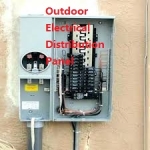

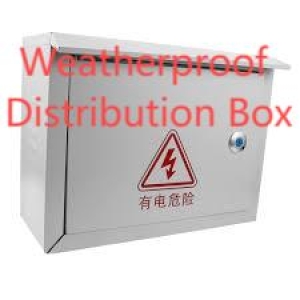
In modern infrastructure projects, selecting and deploying an Outdoor Electrical Distribution Panel requires more than matching power ratings, because an Outdoor Electrical Distribution Panel must withstand environmental stress while supporting safe, flexible, and maintainable electrical distribution over many years. From industrial parks to transportation hubs, outdoor power systems are increasingly exposed to harsh weather, complex load profiles, and frequent operational changes, making thoughtful planning essential.
Understanding environmental exposure and site conditions
Every outdoor installation begins with the environment. Rain, humidity, dust, salt spray, ultraviolet radiation, and temperature fluctuations all influence enclosure performance. Panels installed near coastal areas face corrosion risks, while those in deserts must manage heat and fine dust. Proper site assessment should document not only climate data, but also mounting height, likelihood of flooding, and proximity to vibration sources such as machinery or traffic.
Orientation matters as well. Panels facing direct sunlight may require additional thermal management, while shaded or recessed installations may trap moisture. A clear understanding of these conditions allows engineers to select materials, coatings, and sealing systems that remain stable throughout the panel’s service life.
Structural design and enclosure integrity
Mechanical strength is foundational to reliable outdoor power distribution. Enclosures must resist impact, vandalism, and deformation that could compromise sealing surfaces. Reinforced doors, multi-point locking systems, and rigid back plates help maintain alignment even after repeated access. Drainage paths and pressure equalization features prevent condensation buildup without sacrificing ingress protection.
Mounting structures also deserve attention. Wall-mounted panels require load-rated anchors, while pole or ground-mounted units should include anti-tilt bases and corrosion-resistant fasteners. Proper mechanical design reduces the risk of micro-gaps forming around doors and cable entries, which are common causes of long-term water ingress.
Electrical layout and internal organization
Inside the enclosure, clear electrical organization improves both safety and maintainability. Logical separation of incoming supply, protective devices, and outgoing circuits reduces the chance of accidental contact and simplifies troubleshooting. Adequate spacing between components supports heat dissipation and future expansion.
Labeling is not optional in outdoor systems. Durable, UV-resistant labels ensure circuit identification remains readable over time. Cable routing should avoid sharp bends and allow sufficient slack for door movement. These practices reduce mechanical stress on conductors and make future modifications faster and safer.
Nante system compatibility and modular expansion
A key advantage of modern outdoor panels is modularity. Standardized mounting rails, interchangeable gland plates, and accessory-ready enclosures allow systems to grow without full replacement. The nante ecosystem emphasizes compatibility across components, enabling installers to add breakers, monitoring devices, or surge protection modules as operational needs evolve.
This modular approach also simplifies global projects. When similar panel architectures are deployed across multiple sites, spare parts management and technician training become more efficient. Consistency reduces human error and shortens response times during maintenance or emergency repairs.
Installation discipline and commissioning practices
Even the best-designed panel can fail if installation is careless. Installers must follow torque specifications for terminals and fasteners, ensure all seals are properly seated, and verify grounding continuity. Cable glands should match cable diameter precisely to maintain ingress protection.
Commissioning should include insulation resistance testing, functional checks of protective devices, and thermal observation under load. Establishing a baseline at commissioning helps detect future deviations early. Documentation — including wiring diagrams, test results, and photographs — should be stored digitally for easy access throughout the panel’s lifecycle.
Maintenance planning and lifecycle reliability
Outdoor electrical equipment benefits from proactive maintenance. Regular visual inspections can identify early signs of corrosion, seal degradation, or overheating. Where access is difficult, condition monitoring sensors can provide alerts for humidity, temperature rise, or unauthorized access.
Lifecycle planning should consider not only initial cost but also service intervals, spare part availability, and ease of component replacement. Panels designed for tool-less access or standardized components reduce downtime and labor costs. Over time, these factors often outweigh differences in purchase price.
Safety, compliance, and future readiness
Compliance with relevant electrical and enclosure standards provides a baseline of safety, but future readiness goes further. Panels should accommodate new technologies such as remote monitoring, energy metering, or renewable integration. Leaving physical space and electrical capacity for upgrades avoids costly retrofits.
Clear operating procedures and training for maintenance staff reinforce safe use. Outdoor panels are often accessed by multiple teams over many years; intuitive design and documentation help ensure consistent, safe handling regardless of personnel changes.
A well-planned outdoor power distribution solution supports operational continuity, safety, and adaptability. By aligning environmental assessment, mechanical integrity, electrical organization, and lifecycle thinking, engineers can deliver systems that perform reliably in demanding conditions. For additional technical insight and application examples, visit https://www.nante.com/news/industry-news/outdoor-electrical-distribution-panel-nante.html